Actual Knowledge, Constructive Knowledge, and the Difference
Falls That Are Not Governed by the Notice Rule
Why Fall Injuries Are Often Undervalued Early
Florida's Notice Rule Is Stricter Than Most States
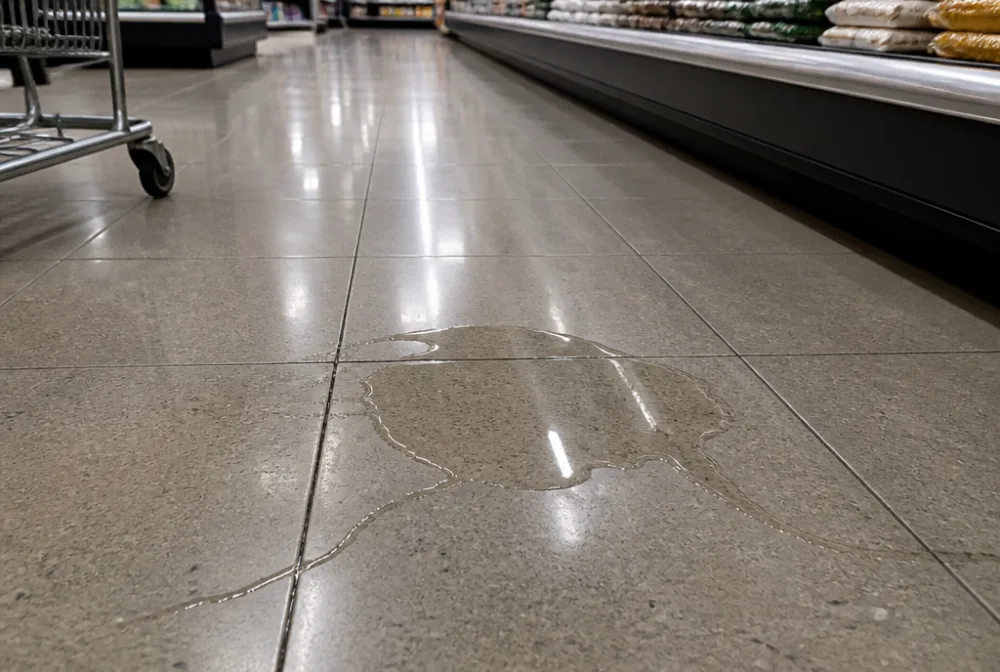
In 2010 Florida shifted the burden in slip and fall cases onto the injured person. Under Fla. Stat. § 768.0755, if you slip on a transitory foreign substance in a business establishment, you must prove the business had actual or constructive knowledge of the hazard. Proving the hazard existed is not enough.
The three things a fall case has to prove
All three are required. The third one decides most cases.
Constructive knowledge is shown by proving the condition existed long enough that the business should have found it, or that it occurred with regularity and was foreseeable.
The evidence that proves notice belongs to the defendant. Inspection and sweep logs, incident reports, employee statements and surveillance video are all held by the property owner, and none of it is preserved indefinitely once a claim goes quiet. A written preservation demand sent within days of a fall is frequently the difference between a provable case and an unprovable one.
Where We Handle Florida Slip and Fall Cases
We handle premises and fall claims across Florida, including these communities:
The Attorneys Who Handle These Cases
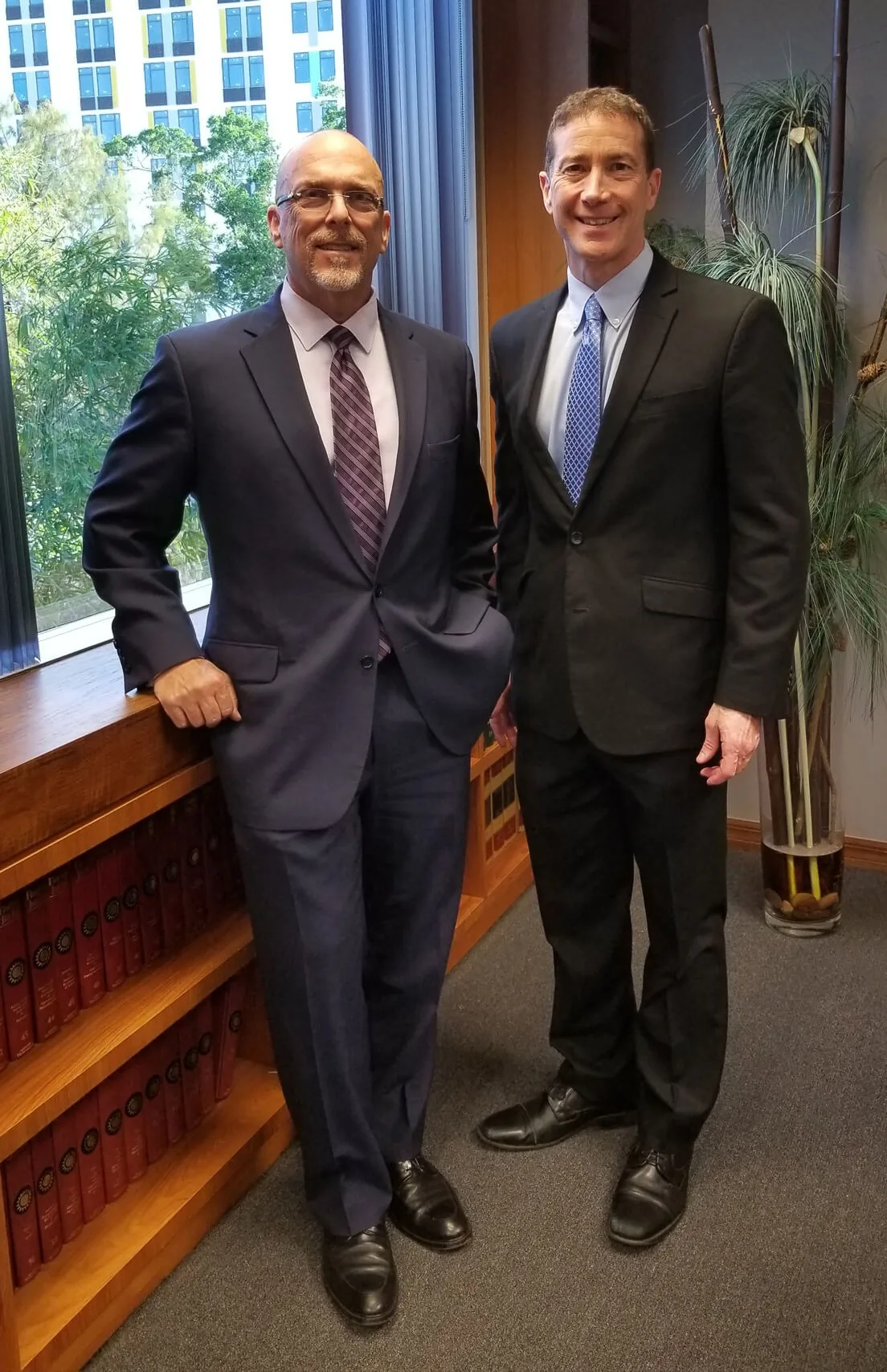
David L. Templer and Mark Hirsch have practiced from the same Aventura office for more than 35 years and have recovered over $100 million for injured people. You speak with an attorney, not a case manager, and the attorney you speak with is the attorney who handles your file.
Consultations are free and there is no fee unless we recover money for you. Call 305-937-2700 or send us the details.
Frequently Asked Questions
The store says there were warning signs out. Does that end my claim?
No. A warning sign is evidence but not a complete defense. Whether the warning was adequate, whether it was placed where you would actually see it, when it was put out relative to your fall, and whether the hazard should have been removed rather than merely flagged are all contested questions. Surveillance footage frequently resolves them.
How long does a business keep its surveillance video?
Frequently only days to a few weeks, and many systems overwrite automatically. Businesses are not obligated to preserve footage until they are on notice of a claim. A prompt written preservation demand is the single most useful early step in almost every fall case.
I fell at a private home, not a business. Is that different?
Yes. The transitory foreign substance notice rule in section 768.0755 applies to business establishments. Falls in residential settings are governed by ordinary premises liability principles, which turn on the visitor's status and the owner's duty. Homeowner's insurance is typically the source of recovery in those claims.
I have arthritis and the insurer says that is why I was hurt. Does that defeat my case?
No. Under Florida law a defendant takes the injured person as they find them, and aggravation of a pre-existing condition is compensable. Proving it requires comparing your pre-fall records and imaging with your post-fall condition, which is standard work in these cases rather than an obstacle.
Why Choose Templer & Hirsch?
- 35+ years handling Florida premises and injury claims
- More than $100 million recovered for clients
- Immediate preservation demands for video and inspection records
- Free consultation, no fee unless we recover
Sources & further reading (verify before relying on them)
- Fla. Stat. § 768.0755 (Premises liability for transitory substances)
- Fla. Stat. § 95.11 (Limitations period)
- CDC: Facts About Falls
This page is general information, not legal advice. Laws change; confirm the current statute and speak with an attorney about your situation.