Medical Malpractice Guide
Understanding Medical Malpractice in Florida
Being harmed by the very people you trusted to care for you is hard to talk about, and many patients wonder if they are overreacting. You are not alone, and asking questions about your care is your right. We will listen first and look at the records carefully.
Medical malpractice is a serious problem that can change the lives of patients and their families in an instant.
It happens when a healthcare provider fails to give the level of care a competent provider would have given, and that failure harms the patient.
Knowing what medical malpractice is, what warning signs to watch for, and how the legal process works can help you and your family make clear, informed choices about your rights. We tell every client that understanding these basics early makes a real difference in how their case turns out.
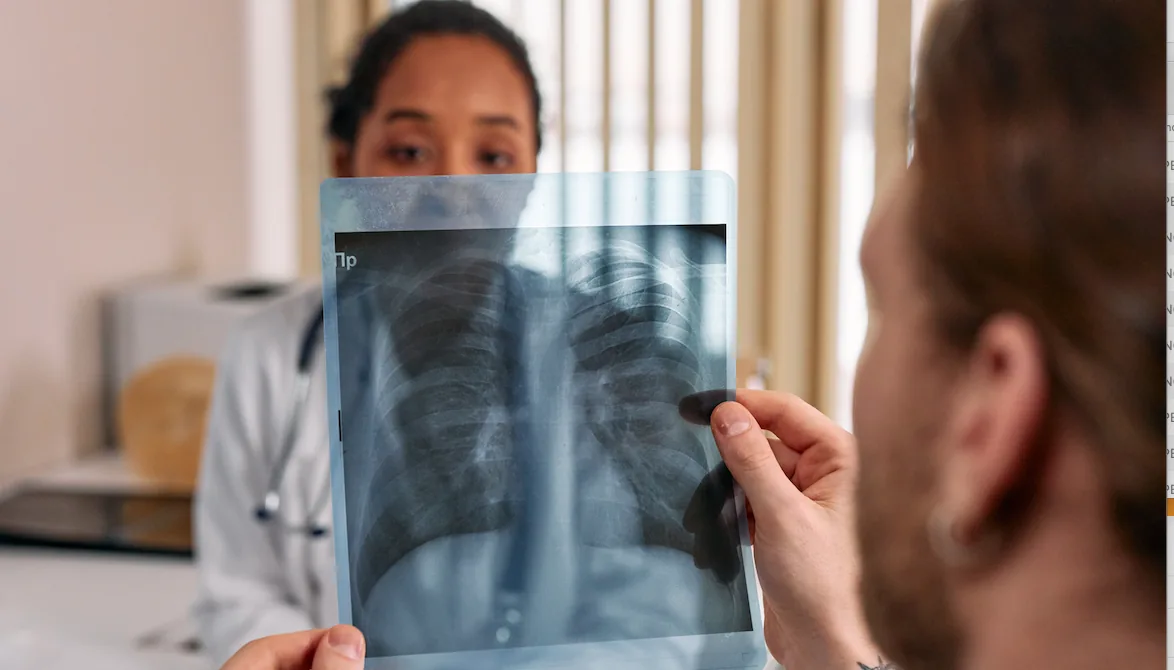
What is Medical Malpractice?
Medical malpractice happens when a healthcare provider does not meet the accepted standard of care and a patient is harmed as a result.
This is different from an ordinary bad outcome or an honest complication. Malpractice means the provider fell short of the care that other trained professionals would have given in the same situation.
Signs of Medical Malpractice
If you suspect that you or a loved one has been the victim of Medical Malpractice, it is important to understand the signs.
Some common signs include:
- Unexpected complications after a medical procedure
- Worsening of symptoms
- Development of new symptoms
- Misdiagnosis or delayed diagnosis
If you believe you have been the victim of medical malpractice, the first step is to speak with a qualified malpractice lawyer who can explain your rights and walk you through the process of pursuing a claim.
The legal process typically involves:
- Investigating the case
- Gathering evidence
- Filing a complaint
- Going to court (if necessary)
- Damages and compensation
Victims of Medical Malpractice may be entitled to compensation for their losses, including:
- Medical expenses
- Lost wages
- Pain and suffering
- Emotional distress
Why Choose Our Medical Malpractice Lawyers
Medical malpractice is one of the areas Templer & Hirsch knows best, and we are ready to put more than 35 years of experience to work on your case.
Call 305-937-2700 and we’ll take the time to understand exactly what happened to you.
From there, the next steps usually include signing an agreement so we can represent you, making sure you get any further medical treatment you need, and beginning the investigation into your claim. Your consultation is free, and we don’t get paid unless we recover for you.
Florida Medical Malpractice Law: What Patients and Families Should Know
Florida medical malpractice cases are tightly regulated by Chapter 766 of the Florida Statutes. The procedural requirements are unusual and unforgiving, and missing one can sink an otherwise strong case.
The Two-Year Statute of Limitations
Under Fla. Stat. §95.11(4)(b), you generally have two years from the date you discovered (or with reasonable diligence should have discovered) the malpractice. There is also a four-year overall statute of repose, extended for fraud, concealment, or claims involving minors. These deadlines are strict, and missing them almost always ends the claim.
Presuit Notice and Investigation
Florida requires a Notice of Intent to Initiate Litigation under Fla. Stat. §766.106 before any malpractice lawsuit can be filed. The notice triggers a mandatory 90-day investigation period during which both sides exchange information and may resolve the case. The notice must be supported by a corroborating affidavit from a qualified medical expert per §766.203: a hurdle most generalist attorneys aren’t equipped to clear quickly.
Damages Caps and the Florida Supreme Court
Florida’s legislative caps on noneconomic damages in personal injury medical malpractice cases were struck down by the Florida Supreme Court in Estate of McCall v. United States (2014) and North Broward Hospital District v. Kalitan (2017). Today there is no cap on pain and suffering for personal injury malpractice victims, though narrow caps may apply in limited contexts.
Common Types of Medical Malpractice We Handle
Medical malpractice covers any deviation from the accepted standard of care that causes patient injury. Cases we’ve handled include:
- Misdiagnosis or delayed diagnosis: especially of cancer, heart attack, stroke, or sepsis, where time-to-treatment changes the outcome.
- Surgical errors: wrong-site surgery, retained foreign objects, nerve damage, anesthesia awareness.
- Birth injuries: cerebral palsy, brachial plexus injury (Erb’s palsy), and oxygen deprivation during delivery.
- Medication errors: wrong drug, wrong dose, dangerous interactions, pharmacy errors.
- Anesthesia errors: over-sedation, failure to monitor, intubation injuries.
- Emergency room negligence: failure to triage, premature discharge, missed fractures or internal bleeding.
- Hospital-acquired infections and bedsores caused by inadequate monitoring or care.
Each case requires medical-record review, expert testimony, and a coordinated legal strategy. We’ve worked with experts across specialties for over 35 years.
Meet the Attorneys Who Will Handle Your Case
Templer & Hirsch has represented injured Floridians for over 35 years and recovered more than $100 million for clients. When you call, you talk to an attorney, not a case manager.
- David L. Templer: Founding partner with decades of trial experience handling complex medical and personal injury cases.
- Mark Hirsch: Partner focused on serious injury claims; known for hands-on client communication.

Frequently Asked Questions
How long do I have to file a medical malpractice lawsuit in Florida?
Two years from when you discovered (or should have discovered) the malpractice, under Fla. Stat. §95.11(4)(b). There is also a four-year statute of repose, extended in cases of fraud, concealment, or claims involving minors. Don’t wait, because presuit investigation alone takes 90 days.
What is the presuit notice requirement?
Florida (Fla. Stat. §766.106) requires a Notice of Intent to Initiate Litigation before suing, supported by a corroborating affidavit from a qualified medical expert (§766.203). This triggers a 90-day investigation period.
Are there caps on damages in Florida medical malpractice cases?
The Florida Supreme Court struck down the statutory caps on noneconomic damages in personal injury malpractice (McCall, 2014; Kalitan, 2017). There is currently no cap for personal injury claims, though narrow limits may apply in limited contexts.
What counts as medical malpractice?
A healthcare provider deviates from the accepted standard of care, and that deviation causes injury. Common examples include misdiagnosis, surgical errors, birth injuries, anesthesia errors, medication errors, and ER negligence.
Do I have to sue the doctor personally?
Usually no. The hospital, surgical group, or healthcare system is often jointly liable under vicarious liability, and we identify every responsible party.
How much does a medical malpractice lawyer cost?
We work on contingency: no fee unless we recover for you. Florida regulates contingency percentages in malpractice cases. Court costs and expert witness fees are advanced by the firm.
If you or a loved one has been injured, the most important step you can take is to speak with an experienced attorney as soon as possible. Call Templer & Hirsch today for a free, confidential consultation. We are ready to help.