Understanding Admiralty and Maritime Injuries
People search for an admiralty lawyer, an admiralty attorney and a maritime lawyer meaning the same thing, and so do we. Admiralty is the older name for the same body of federal law. What matters is not the label on the practice but which of the four systems below actually covers the work you were doing.
If you were hurt working on the water, you are probably being told a lot of different things about which law applies to you. You are not alone, and you do not have to sort that out yourself. We do that part, and we start by listening to what happened to you.
Maritime work is dangerous. Vessel accidents, broken equipment, and rough conditions at sea put workers in harm’s way every day, and the laws that protect injured crews are different from the injury laws that cover people on land. Our attorneys know these rules inside and out, and we make sure you understand your rights and your options. What surprises most people is how much the size of their recovery depends on which maritime law applies to their job, a determination that is rarely obvious without an experienced maritime lawyer.
- Vessel Accidents: Injuries from vessel collisions, groundings, and sinkings can be severe. We help you hold the responsible parties accountable and seek compensation for your injuries.
- Equipment Failure: Malfunctioning equipment on ships and offshore platforms can lead to serious injuries. We ensure that you get the medical care and compensation you need.
- Hazardous Conditions: Working at sea involves exposure to extreme weather, slippery surfaces, and dangerous cargo. Our legal team is experienced in handling these complex cases and fighting for your rights.

Legal Protections Under Maritime Law
Several federal laws work together to protect maritime workers. The main ones are the Jones Act, the Longshore and Harbor Workers’ Compensation Act (LHWCA), and general maritime law. Knowing which one fits your job, and using all of them when they apply, is where cases are won or lost. We handle these claims every day and make sure you get the full benefits and protections the law allows.
- The Jones Act: This federal law allows injured seamen to seek compensation from their employers for negligence. We guide you through the process to ensure you receive all entitled benefits.
- LHWCA: This act provides compensation to longshoremen, harbor workers, and other maritime employees injured on navigable waters or adjoining areas. We handle your claims to secure necessary medical care and financial support.
- General Maritime Law: Covers a wide range of issues, including maintenance and cure, unseaworthiness claims, and wrongful death actions. Our team has the expertise to navigate these complexities and provide you with effective legal representation.
Why Choose Templer & Hirsch?
The lawyer you choose can shape what happens to your case. At Templer & Hirsch, maritime injury work is not a sideline for us, it is a focus we have built over decades. Here is what sets us apart:
- 35 Years of Results: We have represented injured maritime workers for more than 35 years and recovered over $100 million for our clients.
- You Deal With the Attorney: From your first call to the final resolution, you work directly with an attorney, not a case manager, and we keep you informed at every step.
- Ready to Go to Trial: We handle your case on contingency, so there is no fee unless we win, and insurers know we are prepared to take your case to trial when that is what it takes.
If that sounds like the kind of team you want in your corner, call us for a free consultation and we will give you a straight answer about where you stand.
Am I a Seaman? The Test That Decides Which Law Pays You
This is the question every maritime injury case turns on, and it gets decided before anybody argues about money. Seamen go through the Jones Act. Everybody else on the water goes somewhere else. The gap between those routes is large enough to change a case by six figures.
The Supreme Court set the test in Chandris, Inc. v. Latsis, 515 U.S. 347 (1995), and it has two parts.
One, your work has to serve the vessel. Your duties must “contribute to the function of the vessel or to the accomplishment of its mission.” That is a wide net. A deckhand, an engineer, a cook, a barge worker and a tugboat crew member are all inside it.
Two, your connection to the vessel has to be substantial, and the Court said substantial “in terms of both its duration and its nature.” This is where cases are won and lost. The Court added a rule of thumb: someone who spends “less than about 30 percent of his time in the service of a vessel in navigation should not qualify as a seaman.” It called that a guideline, not a hard line, and the facts still matter more than the arithmetic.
So what does an admiralty lawyer actually do with that? We count your time. Shift records, crew lists, vessel logs and assignment sheets decide whether you clear 30 percent, and employers do not volunteer the ones that help you. If your work moved between a vessel and the dock, get those records before they age out.
If you clear the test, 46 U.S.C. §30104 lets you “bring a civil action at law, with the right of trial by jury, against the employer.” Read that last part twice. A jury. Longshore and Defense Base Act claims are decided by a federal administrative judge with no jury at all, and that difference alone changes what a case is worth.
Which Law Covers Which Maritime Worker
Four different systems cover people hurt on or near the water, and the one that applies to you depends on the job and the place, not on the job title.
| If this is you | The law | Fault matters? | Jury? |
|---|---|---|---|
| Crew member on a vessel in navigation | Jones Act, 46 U.S.C. §30104, plus unseaworthiness | Yes, for the Jones Act claim | Yes |
| Longshoreman, dock worker, shipyard or harbor worker | Longshore and Harbor Workers’ Compensation Act | No | No, a federal administrative judge |
| Civilian contractor on a US government contract overseas | Defense Base Act | No | No, a federal administrative judge |
| Family of someone killed more than 3 nautical miles out | Death on the High Seas Act, 46 U.S.C. §30302 | Yes | Heard in admiralty |
Being handed the wrong paperwork on day one is common, and it is not a decision you are stuck with. If somebody put you into a state workers’ compensation claim and you were crewing a vessel, that is worth a second opinion from a maritime attorney before you sign anything else.
Maritime and Admiralty Law: What Injured Seamen and Workers Should Know
Maritime law is governed by federal statutes and centuries of General Maritime Law, not state injury statutes. Knowing which law applies often determines the size of your recovery.
The Jones Act
The Jones Act (46 U.S.C. §30104) lets seamen injured in the course of employment sue their employer for negligence, with the right to a jury. Unlike workers’ compensation, it allows full personal injury damages including pain and suffering. Coverage requires that the worker be a “seaman”, which is the two-part test above. It reaches crew on cargo ships, tugboats, barges, ferries, dredges, fishing boats and offshore rigs alike.
The deadline is set by 46 U.S.C. §30106: a maritime tort action “must be brought within 3 years after the cause of action arose.” Three years sounds generous until you learn that evidence on a vessel turns over in weeks.
Unseaworthiness
Under General Maritime Law, vessel owners owe seamen an absolute duty to provide a seaworthy vessel: the ship, its gear, and its crew must be reasonably fit for their intended purpose. Unseaworthiness is a no-fault claim, separate from Jones Act negligence, and we normally run both at once.
The practical difference is what you have to prove. A Jones Act claim asks whether the employer was careless. An unseaworthiness claim asks only whether the vessel or its equipment was unfit, and a worn cable, a short-handed crew, a jammed hatch or a missing guard can each be enough on its own. That is why a case that looks weak on negligence is often still a real case.
Maintenance and Cure
Vessel owners owe an old duty called maintenance and cure: daily living expenses plus medical care, owed to a seaman who is injured or falls ill in service of the vessel. Fault plays no part. It is owed even when nobody did anything wrong, and even when the injury was your own doing, and it runs until you reach maximum medical improvement.
Two things people get caught by. Maintenance is often paid at a low daily rate lifted from an old union contract, and that rate is challengeable rather than fixed. And carriers cut both off the moment a doctor of their choosing says you are as good as you are going to get. Neither is the last word, and getting them restarted is routine work for a maritime attorney.
Death on the High Seas Act
The Death on the High Seas Act governs a wrongful death that happens far enough out. 46 U.S.C. §30302 reaches a death “beyond 3 nautical miles from the shore of the United States,” and lets the personal representative sue “for the exclusive benefit of the decedent’s spouse, parent, child, or dependent relative.” It pays economic loss and limits non-economic recovery, which is why the distance from shore is often the first thing we pin down. It comes up on cruise ship deaths, offshore drilling and aircraft lost at sea.
LHWCA and the Defense Base Act
Not clearing the seaman test is not the end of anything. Longshoremen, dock workers, shipyard and harbor workers hurt on US navigable waters or the adjoining areas go through the Longshore and Harbor Workers’ Compensation Act (33 U.S.C. §901) instead, and we have handled hundreds of those at Florida ports and at ports around the country. Civilian contractors hurt overseas on a US government contract go through the Defense Base Act, which borrows the same benefit rules. If you have never seen the policy paying your benefits, start with what that insurance actually covers.
Common Maritime Injuries
Maritime work is among the most dangerous in the country. We’ve handled claims involving:
- Falls on slippery decks caused by oil, hydraulic fluid, fish offal, or weather.
- Equipment and rigging failures such as broken winches, snapping lines, and defective hoists.
- Crushing injuries from cargo, containers, mooring lines, and machinery.
- Falls overboard and near-drowning incidents.
- Fires and explosions aboard tankers, fishing vessels, and offshore platforms.
- Collisions and groundings caused by negligent navigation or unseaworthy vessels.
- Hurricane and weather-related injuries when vessels are sent into known dangerous conditions.
- Hearing loss, respiratory disease, and chemical exposure from prolonged shipboard environments.
Each scenario opens distinct routes (Jones Act negligence, unseaworthiness, maintenance and cure, third-party claims), and we pursue every one that fits the facts.
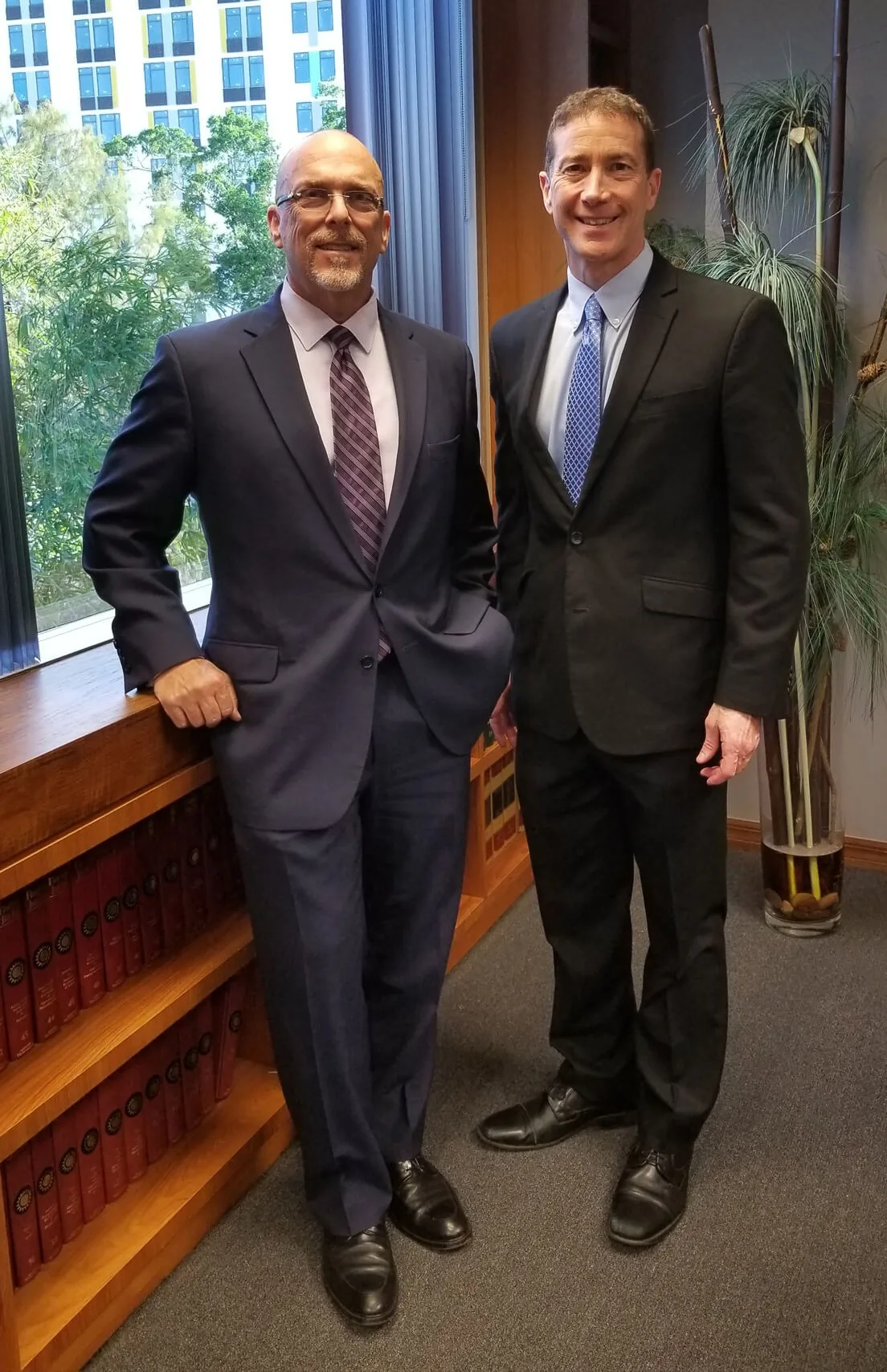
Meet the Attorneys Who Will Handle Your Case
Templer & Hirsch has represented injured seamen, longshore workers, and offshore contractors for over 35 years and recovered more than $100 million for clients. When you call, you talk to an attorney, not a case manager.
- David L. Templer: Founding partner with decades of trial experience handling Jones Act, LHWCA, and admiralty cases.
- Mark Hirsch: Partner concentrating on maritime, longshore, and serious injury claims; known for hands-on client communication.
Frequently Asked Questions
What is admiralty and maritime law?
The body of federal and international law governing activities on navigable waters: injuries, contracts, salvage, collisions, cargo damage, and pollution.
Do I need a maritime lawyer, or will a regular injury lawyer do?
The law is different enough that it matters. A maritime case runs on federal statutes and General Maritime Law rather than state injury rules, the seaman question decides which system pays you, and the deadline under 46 U.S.C. §30106 is three years from when the claim arose. The part that catches people is evidence: vessel logs, crew lists and equipment records turn over fast, and a lawyer who has not asked for them before will not know what to ask for.
My employer put me in state workers’ comp. Is that the end of it?
No, and it happens often. Being handed a state claim form is a decision somebody made about you, not a ruling. If you were crewing a vessel, the Jones Act route with a jury may be open instead. If you were working a dock, terminal or shipyard, the Longshore Act may be. Both usually pay more than the state system, and the sooner the question is asked the easier it is to fix.
What is the Jones Act?
A federal statute (46 U.S.C. §30104) allowing seamen injured at work to sue their employer for negligence and recover full personal injury damages, including pain and suffering. Three-year SOL.
What does “unseaworthiness” mean?
Vessel owners owe seamen an absolute duty to provide a seaworthy vessel: ship, gear, and crew reasonably fit for their purpose. Unseaworthiness is a no-fault claim under General Maritime Law.
What is maintenance and cure?
An ancient maritime obligation requiring vessel owners to pay daily living expenses (maintenance) and medical care (cure) to seamen injured or ill in service of the vessel, until maximum medical improvement.
What is the Death on the High Seas Act (DOHSA)?
The Death on the High Seas Act (46 U.S.C. §30301) governs wrongful death claims for deaths beyond three nautical miles from shore. Common in cruise, aviation-at-sea, and offshore cases.
How long do I have to file a maritime injury claim?
Jones Act and most General Maritime Law claims: three years. LHWCA: one year (with 30-day notice). Cruise passenger contracts often impose a one-year deadline. Move quickly; deadlines vary.
If you or a loved one has been injured, the most important step you can take is to speak with an experienced attorney as soon as possible. Call Templer & Hirsch today for a free, confidential consultation. We are ready to help.