Miami, Fort Lauderdale, Fort Pierce Longshore Injury Lawyer
If you were injured at a Florida port, you may be getting pushed toward a quick answer before you even know how badly you are hurt. You are not alone. We can slow that down and make sure your claim is handled properly.
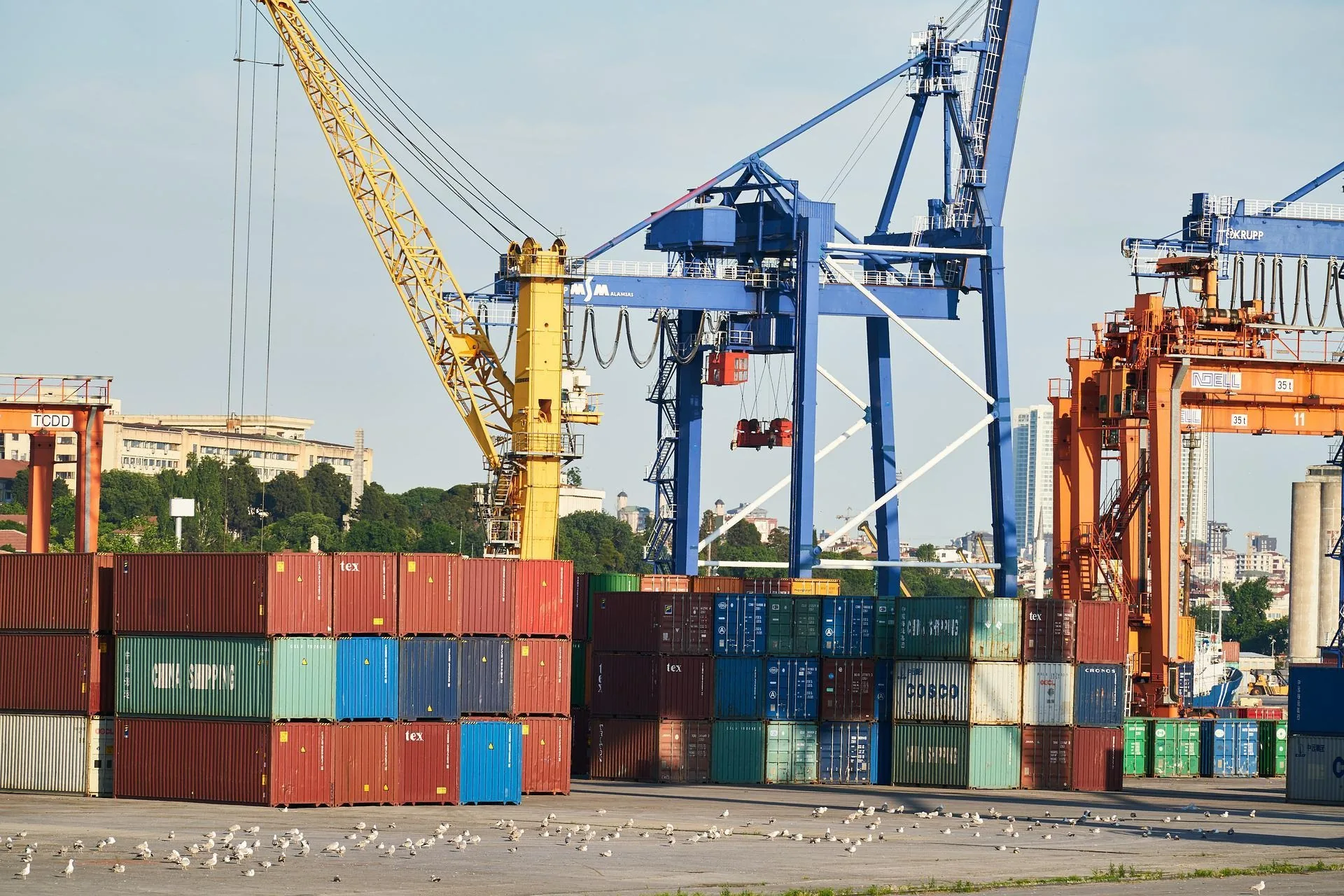
Longshoremen keep the global economy moving, loading and unloading cargo ships at ports and harbors day in and day out.
It is hard, physical work, and over time it can lead to serious injuries and lasting health problems.
If you are a longshoreman who was hurt on the job, or you are dealing with pain from your daily duties, it may be time to talk to a longshore lawyer. The mistake we see most often is workers accepting state workers' compensation without realizing the federal Longshore Act may pay significantly more.
This page focuses on longshore workers injured at Florida ports such as PortMiami, Port Everglades, and the Port of Fort Pierce. If you were hurt at a port outside Florida, see our nationwide longshoreman and dock worker injury lawyer page, which covers LHWCA claims across the United States.
Who are Longshoremen?
Longshoremen are workers who load and unload cargo ships at ports and harbors.
Due to the nature of their work, longshoremen are at risk for a variety of injuries, including back injuries, repetitive strain injuries, and broken bones.
What is the Longshore and Harbor Workers’ Compensation Act?
The Longshore and Harbor Workers’ Compensation Act (LHWCA) is a federal law that provides benefits to longshoremen and other maritime workers who are injured on the job.
Under the LHWCA, longshoremen who are injured on the job may be entitled to medical treatment, disability payments, and rehabilitation services.
Longshoremen are at risk for a variety of accidents and injuries, including:
- Struck by falling objects, such as crates or containers.
- Crushed by heavy equipment or machinery.
- Trips, slips, and falls on wet or uneven surfaces.
- Repetitive strain injuries due to the physical demands of the job.
What to Do After a Longshore Injury at a Florida Port
If you are a longshoreman who has been injured on the job, it is important to take the following steps:
1. Report the injury to your employer as soon as possible: Failure to report the injury within a certain time frame could jeopardize your ability to receive benefits under the LHWCA.
2. Seek medical attention right away: Even if your injury seems minor, it is important to get checked out by a doctor to ensure that there are no underlying issues.
3. Document everything: Be sure to keep detailed records of your injury, including the date, time, and circumstances surrounding the accident.
4. Contact an experienced attorney: If your employer denies your LHWCA claim, or you feel you are not getting the full benefits you are owed, it may be time to hire an attorney to fight for you. The LHWCA is a specialized area of law, so make sure you talk to a lawyer who handles these claims every day.
Longshoreman Injury Lawyers at Every Florida Port
Every port runs differently, and the difference shows up in the claim. What moves across the dock decides which equipment you work beside, which injuries are common, and which records exist after an accident. Templer & Hirsch takes longshoreman injury claims from all of them.
PortMiami (Miami)
PortMiami runs container cargo and one of the busiest cruise operations in the world, often on the same day. Gantry cranes, container yards, reefer stacks and passenger gangways sit within a short distance of each other, and the traffic never really stops. Crush injuries between containers and chassis, falls from equipment, and back and shoulder damage from years of lashing work are what we see most from Miami dockworkers. If you are looking for a longshoreman injury lawyer in Miami or an LHWCA attorney for a PortMiami accident, that is federal work, not a Florida comp case.
Port Everglades (Fort Lauderdale)
Port Everglades handles containers, cruise passengers and the petroleum that fuels most of South Florida, which puts fuel handling and confined spaces alongside ordinary cargo work. Broward dockworkers and terminal employees come to us after forklift and top-handler accidents, falls in the yard, and exposure injuries. A longshore accident attorney in Fort Lauderdale is handling the same federal statute as one in Miami; the difference is knowing the terminal and who the employer’s carrier is.
Port of Palm Beach (Riviera Beach)
The Port of Palm Beach is smaller and moves a lot of break-bulk and Caribbean trade, including sugar, building materials and vehicles. Break-bulk work means more hands on the cargo and more lifting, so strains, hand and foot crush injuries, and falls from cargo stacks are the pattern here.
Port of Fort Pierce (St. Lucie County)
Fort Pierce is a working port with cargo operations alongside marine repair and yacht refit yards. That mix matters, because repair work on a vessel can raise the question of whether your claim runs under the Longshore Act or the Jones Act. The answer turns on your connection to a vessel in navigation, and it changes what you can recover.
JAXPORT (Jacksonville)
Jacksonville moves vehicles and containers, and roll-on roll-off work brings its own injuries: being struck by moving vehicles, falls on ramps and decks, and repetitive damage from securing cargo. Northeast Florida dock workers are covered by the same federal law as workers in Miami.
Port Tampa Bay
Tampa is Florida’s largest port by cargo tonnage, and it is dominated by bulk: fuel, fertilizer materials, aggregates and scrap. Bulk handling means conveyors, hoppers and dust, so respiratory claims and machinery injuries show up more often here than at container terminals.
Port Canaveral (Brevard County)
Port Canaveral is mostly cruise and some bulk cargo, with heavy provisioning and baggage operations around each turnaround. Terminal workers, line handlers and provisioning crews are covered when the work happens on or adjacent to navigable water.
Many South Florida dockworkers belong to an International Longshoremen’s Association local, including Locals 1416 and 1922 in the Miami area. Union membership does not change your rights under the Longshore Act. The claim still runs through the US Department of Labor, and your employer’s insurance carrier is still the party disputing it.
Hurt at a port outside Florida? Our nationwide longshoreman and dock worker injury lawyers handle LHWCA claims at ports across the country, and you can estimate a claim with our longshore settlement calculator.
Talk to a Florida Longshore Lawyer Today
If you were injured on the job, or you are hurting because of your daily work, do not wait to get legal help. The deadlines are strict, and evidence at the terminal can disappear fast.
Templer & Hirsch has handled longshore claims for over 35 years. We can guide you through the federal workers’ compensation process, fight for the benefits you are owed, and take your case to trial if that is what it takes.
Call us at 305-937-2700 for a free consultation with a longshore lawyer today.
The LHWCA: What Florida Maritime Workers Should Know
Longshore injuries are governed by federal law, not Florida workers’ compensation. The Longshore and Harbor Workers’ Compensation Act (LHWCA) provides higher benefit rates and broader coverage, but it has its own deadlines, procedures, and pitfalls.
Who Is Covered
The LHWCA (33 U.S.C. §901 et seq.) covers maritime employees injured on the navigable waters of the United States or in “adjoining areas customarily used by an employer in loading, unloading, repairing, or building a vessel.” That includes longshoremen, stevedores, harbor construction workers, ship repairers, and shipbuilders.
30-Day Notice and One-Year Filing Deadline
You must give written notice of injury to your employer within 30 days, and file a formal claim with the U.S. Department of Labor’s Office of Workers’ Compensation Programs within one year (33 U.S.C. §913). Occupational disease claims have a separate two-year discovery rule. Missing these deadlines almost always ends the claim.
LHWCA Benefits Are Higher Than State Comp
LHWCA pays medical care with no out-of-pocket cap, two-thirds of your average weekly wage in disability compensation, permanent impairment compensation, vocational rehabilitation, and death benefits to surviving family. The ceilings are where the two systems separate. 33 U.S.C. §906(b)(1) caps compensation at 200 percent of the national average weekly wage. Florida Statute §440.12(2)(a) caps state compensation at 100 percent of the statewide average weekly wage. A maritime worker put in the wrong system runs into a ceiling set at one times a state average instead of twice a national one, so it is worth confirming which law covers you before you accept state benefits.
Third-Party Claims Under Section 905(b)
The LHWCA is generally the exclusive remedy against your employer, but 33 U.S.C. §905(b) lets you sue the vessel owner for negligence outside the comp system. These third-party claims can recover full personal injury damages (including pain and suffering) on top of LHWCA benefits. We pursue both tracks in parallel where the facts support it.
Longshore Accident Lawyer, Longshore Claims Attorney: The Labels Are One Job
People search for this work in a dozen shapes. Longshore accident lawyer. Longshore accident attorney. Longshore claims attorney. Harbor worker injury lawyer. Longshore accident law firm. Every one of those describes the same job, and no separate license or certification sits behind any of them. There is one question worth asking an office before you hire it: how many longshore claims has it argued in front of a Department of Labor administrative law judge? That hearing is where a disputed claim is won or lost, and it has almost nothing in common with a Florida workers’ compensation mediation.
Where a Disputed Longshore Claim Actually Goes
When the carrier denies your claim or cuts off your checks, the case moves onto a federal track with three rungs. Each rung has its own clock.
- An administrative law judge hears it. 33 U.S.C. §919(d) requires the hearing to run under the federal Administrative Procedure Act, in front of an administrative law judge. Witnesses testify, medical opinions are cross-examined, and the record built that day is the record every later decision rests on.
- The Benefits Review Board reviews the judge’s order. 33 U.S.C. §921(b) creates a five-member Board inside the Department of Labor for this purpose. Section 921(a) makes a compensation order final thirty days after it is filed, so an appeal that misses that window ends the claim on the spot.
- A federal court of appeals is the last stop. Section 921(c) sends a Board order to the United States court of appeals for the circuit where the injury happened, on a petition filed within sixty days. For an injury at the Port of Miami or Port Everglades, that is the Eleventh Circuit.
That ladder is why hearing experience is the thing to ask about. A longshore accident attorney who has never built a record in front of one of these judges is learning the format on your claim, and the record does not get a second try.
Two Rights Longshoremen Often Do Not Know They Have
You choose your own doctor. 33 U.S.C. §907(b) gives you the right to pick an attending physician authorized by the Secretary of Labor. The employer gets to pick for you in one narrow situation only: when the injury needs treatment right away and you are in no position to choose. If a terminal operator sent you to the clinic it always uses and told you that was the rule, that was not the rule.
A late payment costs the carrier twenty percent. Once compensation is payable under an award, 33 U.S.C. §914(f) adds twenty percent to anything still unpaid ten days after it came due, unless the carrier has obtained a stay. Write down the date every check arrives. That plain record is what turns the penalty into money you can collect.
Longshoremen, stevedores, crane and container handlers, ship repairers and harbor workers all run on this same federal system, whether they were hurt at a Florida port or somewhere else. Our nationwide longshore and harbor worker injury lawyers handle claims outside Florida on the same track.
Common Longshore Injuries at Florida Ports
Florida’s ports (Miami, Port Everglades, JAXPORT, Tampa Bay, Canaveral, and Palm Beach) move millions of tons of cargo annually. We’ve represented dock workers, stevedores, and ship repairers injured by:
- Falls from height: gangways, container stacks, ship decks, and ladders.
- Slip-and-fall on wet or oily decks caused by spills, weather, or inadequate cleanup.
- Crushing and struck-by injuries from containers, cranes, forklifts, and reach stackers.
- Cargo-handling injuries: back, shoulder, and knee injuries from awkward lifts and unstable loads.
- Equipment failures: broken hoists, failed rigging, defective machinery.
- Vehicle accidents on the terminal: trucks, yard tractors, hostlers.
- Hearing loss and respiratory disease from prolonged noise and dust exposure.
Each injury type opens specific avenues for both LHWCA benefits and potential 905(b) vessel-negligence claims. We know what evidence to lock down before it disappears.
Meet the Attorneys Who Will Handle Your Case
Templer & Hirsch has represented injured workers along Florida’s coast for over 35 years and recovered more than $100 million for clients. When you call, you talk to an attorney, not a case manager.
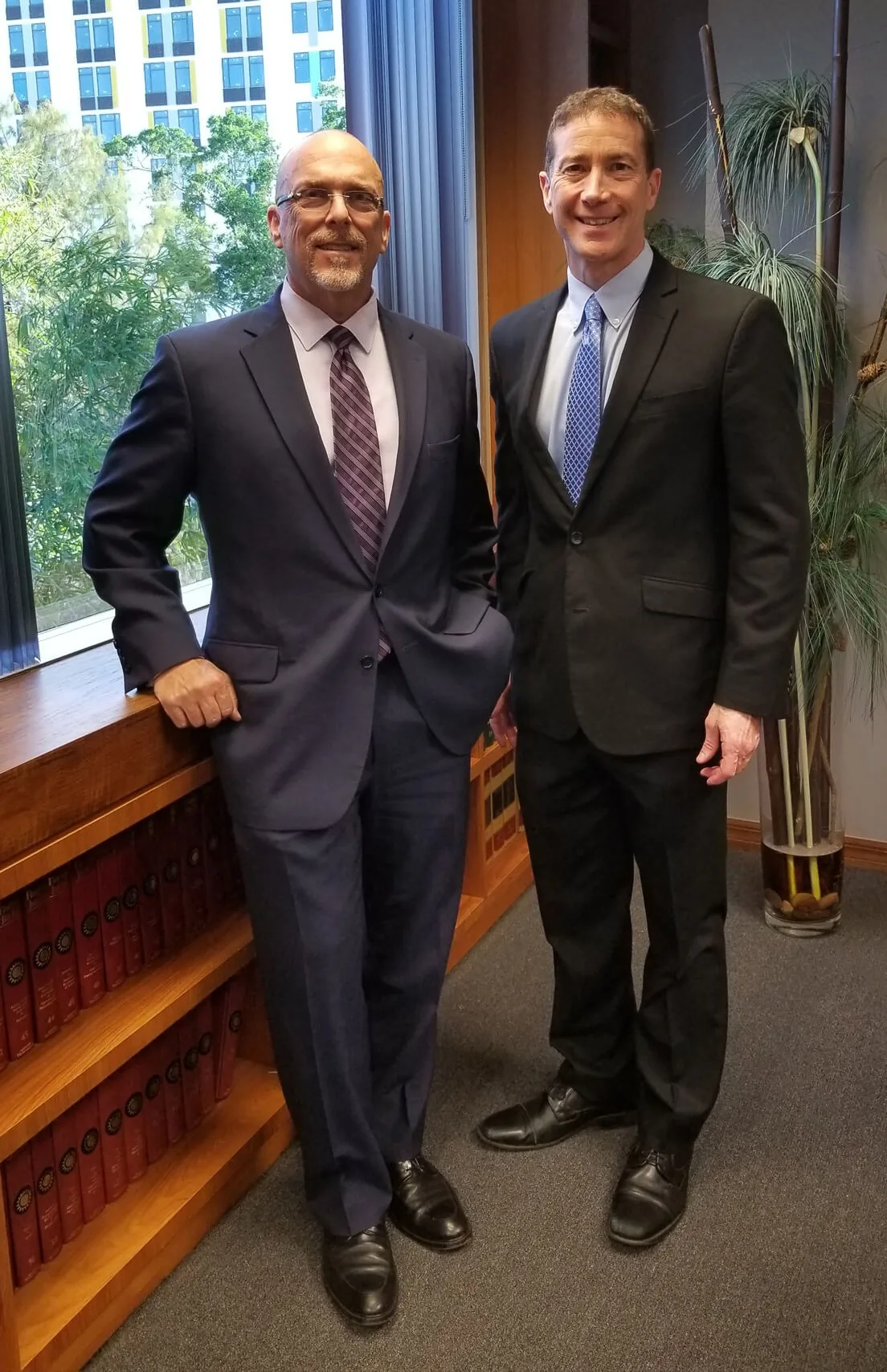
- David L. Templer: Founding partner with decades of trial experience in maritime, longshore, and personal injury cases.
- Mark Hirsch: Partner concentrating on longshore, Jones Act, and serious injury claims; known for hands-on client communication.
Frequently Asked Questions
What is the LHWCA?
The Longshore and Harbor Workers’ Compensation Act (33 U.S.C. §901 et seq.) is a federal workers’ comp system for maritime workers injured on or near US navigable waters.
How is LHWCA different from Florida workers’ comp?
LHWCA pays significantly higher weekly benefit maximums, has uncapped medical coverage, and allows third-party suits against vessel owners under §905(b). Florida’s comp system is more limited.
How long do I have to file?
30 days written notice to your employer, and one year to file the formal claim with the Department of Labor (33 U.S.C. §913). Occupational diseases have a two-year discovery rule.
Can I sue anyone besides my employer?
Yes. 33 U.S.C. §905(b) lets you sue the vessel owner for negligence outside the comp system. Third-party claims can recover pain and suffering on top of LHWCA benefits.
What benefits does LHWCA pay?
Medical care (uncapped), two-thirds of your average weekly wage up to the federal maximum, permanent impairment compensation, vocational rehab, and death benefits to surviving family.
Which Florida ports do you cover?
Miami, Port Everglades, JAXPORT (Jacksonville), Tampa Bay, Canaveral, Palm Beach, and smaller ports along both coasts.
Reviewed and updated September 11, 2026 by Mark Hirsch.
If you or a loved one has been injured, the most important step you can take is to speak with an experienced attorney as soon as possible. Call Templer & Hirsch today for a free, confidential consultation. We are ready to help.