Injuries to Florida Tourists
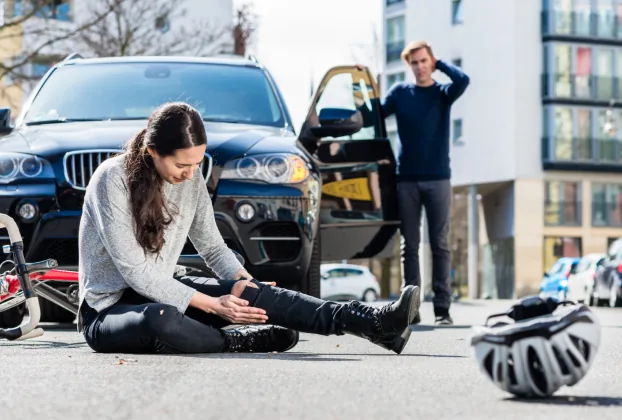
Getting hurt on a trip leaves you in pain, far from your own doctors, and unsure who to even ask for help. You are not alone. We represent visitors from other states and other countries all the time, and we can handle everything from a distance.
If you were hurt in Florida because someone else was careless, you should not have to cover the costs on your own. Florida law gives injured visitors the right to seek compensation, the same as residents.
The law cannot undo a serious injury, but it can provide real help. It can pay for the care and support you will need going forward (future damages) and cover what you have already been through (past damages).
That includes money for lost wages or a reduced ability to earn (economic damages), along with the pain, trauma, and life changes you have to live with (non-economic damages).
Whether your injury came from a job accident, a car crash, a dangerous property, a professional’s mistake, or a faulty product, it helps to talk with someone who knows Florida’s injury laws before you make any decisions.
We tell every client the same thing: the sooner you reach out, the more we can do to preserve surveillance video, incident reports, and witness accounts before they disappear, which matters even more once you have traveled back home.
The smart move is to have a Florida personal injury firm like Templer & Hirsch handle your case, so nothing important slips through the cracks. Call us for a free consultation and we will walk you through your options.
Florida Injury Law for Visitors: What You Should Know
Florida law applies to torts that happen on Florida soil, regardless of where you live. Tourists from other states and other countries have the same right to compensation as Florida residents. The procedural deadlines and choice-of-forum rules, however, are unforgiving.
The Two-Year Statute of Limitations
Under Fla. Stat. §95.11, you generally have two years from the injury to file a personal injury lawsuit and two years for wrongful death. The deadline was reduced from four years by HB 837 in March 2023.
Cruise Ship and Maritime Cases Are Different
Injuries on cruise ships are governed by federal maritime law, not Florida law. Most cruise tickets impose a contractual one-year deadline to file suit and require suit to be filed in a designated federal court (often the Southern District of Florida in Miami). The Death on the High Seas Act and the Jones Act may also apply. Cruise contracts are aggressively enforced, and a single missed clause can end the case.
Modified Comparative Negligence
Florida follows modified comparative negligence under Fla. Stat. §768.81. If you are more than 50% at fault, you recover nothing. At 50% or less, your award is reduced by your percentage of fault. Insurers often try to argue tourists were unfamiliar with surroundings, and we push back with evidence.
Working With Out-of-State and International Clients
You don’t need to live in Florida to recover, and you don’t need to come back to Florida to handle most of your case. We’ve worked with clients across the US, Canada, the UK, and Latin America for decades, and the bulk of communication happens by phone, email, and video.
Common Tourist Injury Scenarios in South Florida
South Florida hosts millions of visitors a year: Miami Beach, Aventura, Fort Lauderdale, the Keys, and Disney travel through Miami International. Predictable injury patterns include:
- Hotel and resort slip-and-falls (lobby tile, pool decks, bathrooms, hallway carpets).
- Airbnb and vacation rental injuries: unfenced or non-compliant pools, unlit exterior stairs, balcony rails, and inadequate locks in short-term rentals.
- Rental scooter and moped crashes, which carry no Florida PIP coverage at all, so the medical bills have to be paid from another policy.
- Uber and Lyft crashes, where the coverage available depends on what the driver's app was doing at the moment of impact.
- Rental car accidents involving tourists unfamiliar with Florida roads and aggressive South Florida driving.
- Watersports injuries (jet skis, parasailing, boating, snorkeling, diving).
- Cruise ship slip-and-falls, food poisoning, gangway falls, and shore excursion accidents.
- Theme park and attraction injuries (rides, queues, restaurant slips).
- Food poisoning from restaurants, buffets, and cruise ships.
- Pedestrian and bicycle accidents in unfamiliar urban districts.
- Hotel security failures (assaults, theft, and inadequate lighting).
Each scenario requires fast evidence preservation. We start by securing surveillance video, incident reports, and witness statements before they disappear, which is especially important when you’ve already returned home.
Meet the Attorneys Who Will Handle Your Case
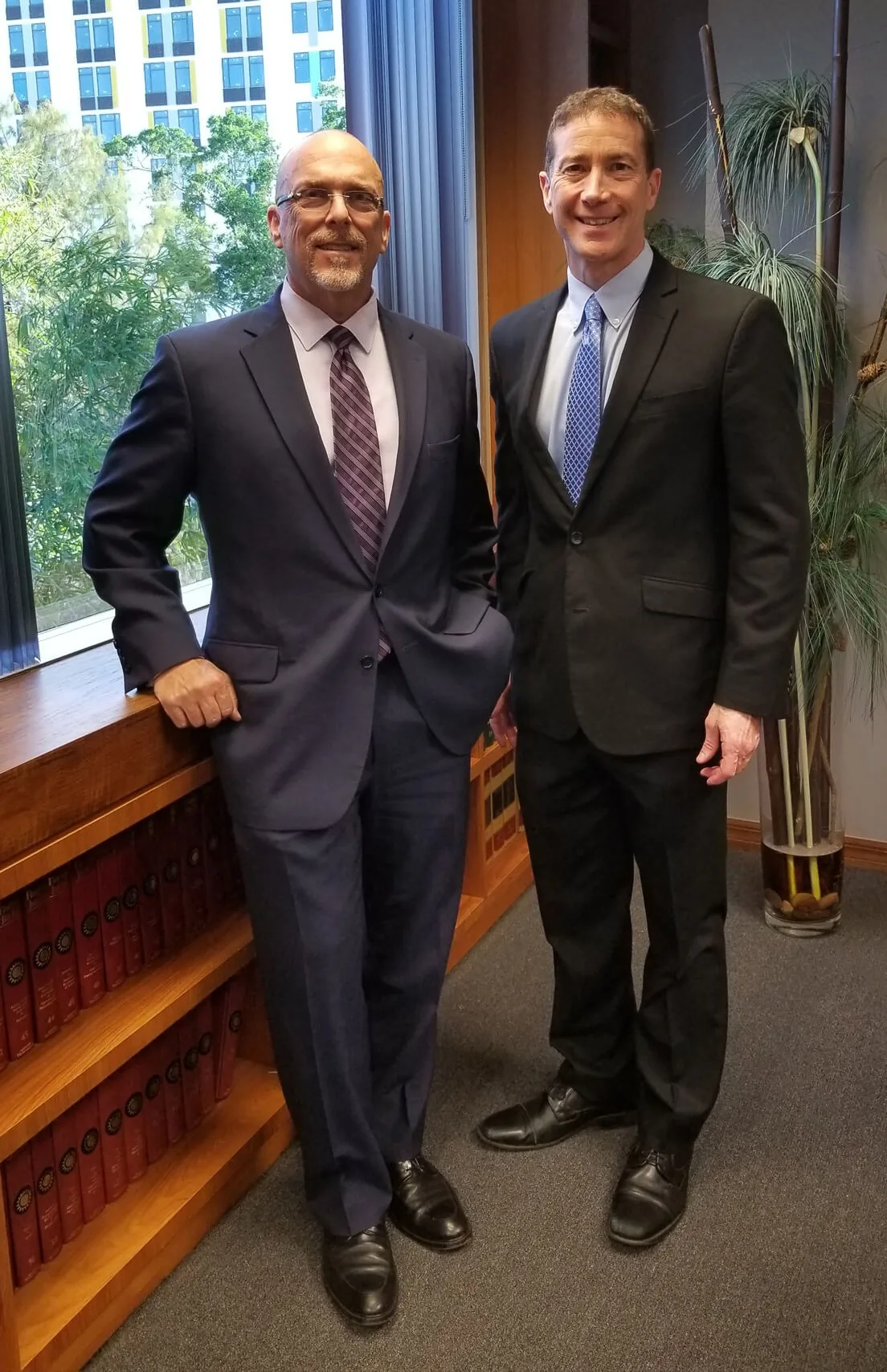
Templer & Hirsch has represented injured visitors and Floridians for over 35 years and recovered more than $100 million for clients. When you call, you talk to an attorney, not a case manager.
- David L. Templer: Founding partner with decades of experience handling tourist, premises liability, and maritime cases.
- Mark Hirsch: Partner concentrating on serious injury and maritime claims; known for hands-on client communication.
Frequently Asked Questions
Can a tourist sue in Florida?
Yes. Florida law covers any tort that happens on Florida soil, regardless of where the injured person lives. Tourists, out-of-state visitors, international travelers, and undocumented persons all have the right to recover.
How long do I have to file?
Two years from the injury under Fla. Stat. §95.11. Cruise ship cases typically have a contractual one-year deadline. Move quickly.
Do I need to come back to Florida?
Usually no. We handle most of the case remotely by phone, email, and video. We’d only ask you to return for a deposition or trial if necessary.
What if I was injured on a cruise ship?
Federal maritime law governs, usually with a one-year contractual deadline and a designated federal forum (often Miami). DOHSA and the Jones Act may apply depending on the facts.
Common tourist injury scenarios?
Hotel falls, rental car accidents, jet ski and watersports injuries, cruise ship slips, food poisoning, theme park accidents, pedestrian crashes, and security failures.
How much does a tourist injury lawyer cost?
Contingency basis: no fee unless we recover. Court costs and expert witness fees are advanced by the firm.
If you or a loved one has been injured, the most important step you can take is to speak with an experienced attorney as soon as possible. Call Templer & Hirsch today for a free, confidential consultation. We are ready to help.