
Managing a vacation rental can be rewarding, but it also comes with a level of responsibility that homeowners sometimes overlook. As an injury lawyer with over 35 years of experience, I’ve seen how accidents on vacation properties can spiral into stressful legal situations, often because the property owner wasn’t prepared. If you own a vacation rental, it’s essential to understand what you need to do when a guest is injured on your property.
In this post, we’ll explore some best practices for handling guest injuries in your vacation rental to protect both your guests and your legal interests.
The best way to handle an injury is to prevent it in the first place. While you can’t foresee every possible accident, there are several proactive steps you can take to reduce the risk of injury:
- Regular inspections: Make it a point to inspect your property frequently. Look for potential hazards like loose railings, broken steps, or slippery floors, especially near pools or patios. Any problems should be promptly repaired.
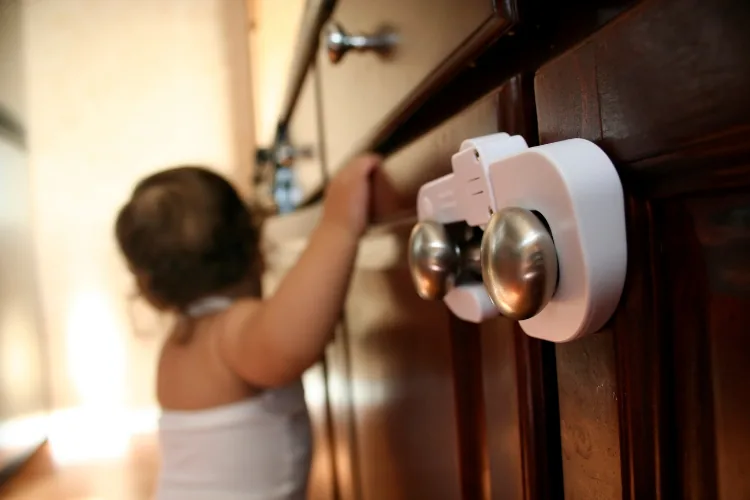
- Child-proofing: If families with young children frequently rent your property, consider adding safety features like outlet covers, stair gates, and pool fences.
- Post clear instructions: If there are areas on your property that could be dangerous (like hot tubs, fireplaces, or balconies), post visible instructions or warnings so guests can use these features safely.
While these precautions won’t eliminate the risk of accidents, they significantly lower the chances, making it easier to defend yourself should an injury occur.
No matter how diligent you are, accidents can happen. If a guest is injured on your property, your immediate response is critical in managing both their well-being and your legal liability.
Offer Help Immediately
First and foremost, your priority should be the guest’s safety and health. Assist them in getting the help they need, whether it’s providing first aid supplies or calling emergency services. Remember, showing genuine concern can go a long way in preventing future disputes.
Document the Incident
Once the guest is safe, start documenting the incident as thoroughly as possible. This is crucial for both your insurance and any potential legal proceedings. Key details to document include:
- The injured person’s account: Ask the injured guest to explain what happened. Be calm and respectful, and avoid any language that sounds like you’re taking blame.
- Photos of the scene: Take pictures of the area where the injury occurred. Capture the condition of the surroundings, any potential hazards, and the injuries themselves (if appropriate).
- Witness statements: If there are other guests or neighbors who saw the accident happen, ask for their accounts as well.
Notify Your Insurance Company
It’s essential to notify your insurance company as soon as possible after an incident occurs. Most vacation rental insurance policies require immediate reporting of any accidents that could result in a claim. Provide your insurance company with all the documentation you’ve gathered to help streamline the process.
When a guest is injured on your property, it’s natural to feel sympathy and want to apologize. However, it’s important to be mindful of your words, as certain statements can be interpreted as an admission of guilt. Avoid saying things like:
- “I’m so sorry, this is my fault.”
- “I knew that was broken, but I didn’t have time to fix it.”
- “I should have done something about that.”
Instead, express concern for the guest’s well-being without implying responsibility. For example, say something like, “I hope you’re okay. Let me know how I can help,” or, “Please let me know if you need anything during your stay.”
As a vacation rental owner, you have a legal duty to provide a reasonably safe environment for your guests. This doesn’t mean you are automatically responsible for every injury that happens on your property. However, if the injury is caused by a dangerous condition you knew about or should have known about, you could be held liable.
Common examples of hazardous conditions include:
- Uneven flooring or loose carpeting
- Broken furniture or fixtures
- Inadequate lighting in stairways or hallways
- Unsecured handrails or balconies
That said, not every accident will lead to liability. If a guest is injured due to their own negligence, such as ignoring posted warnings or engaging in risky behavior, you may not be responsible. This is why it’s critical to maintain a well-documented paper trail that shows you’ve taken reasonable steps to ensure your property’s safety.
While your insurance company will handle most claims, there may be situations where you’ll need to involve a lawyer. If a guest’s injury leads to a serious claim or lawsuit, consulting an experienced injury attorney is crucial. They can help you navigate the complexities of premises liability law, evaluate the merit of the claim, and represent your interests in any negotiations or court proceedings.
As someone who has practiced injury law for decades, I can tell you that waiting too long to involve legal counsel is one of the biggest mistakes property owners make. Having an experienced attorney on your side early in the process can help you avoid costly legal missteps.
Though liability waivers can’t absolve you from every type of responsibility, they are a useful tool to protect yourself from certain claims. A liability waiver informs your guests of any known risks associated with the property and asks them to acknowledge and accept those risks before their stay.
To be effective, the waiver should be clearly written, and you should make sure guests have ample time to review and sign it before their arrival. Keep in mind that state laws governing waivers vary, so it’s wise to consult with a legal professional to draft a waiver that complies with local laws.
Owning a vacation rental can be a wonderful business venture, but it also comes with its share of responsibilities. By taking proactive steps to ensure your property is safe, being prepared to act quickly when accidents happen, and knowing when to seek professional help, you can minimize the risk of guest injuries and avoid the legal headaches that follow.
For over 35 years, I’ve helped individuals and businesses navigate the complexities of personal injury claims, and I can tell you that a well-prepared property owner has a much stronger defense in the event of an injury. If you find yourself in a situation where a guest is injured on your vacation rental property, don’t hesitate to reach out for legal guidance.
At Templer & Hirsch, we’re here to provide the support and expertise you need to protect your property, your guests, and your peace of mind.