Understanding Continental Shelf Injuries
An offshore injury can put your health, your income and your career in doubt all at once, often hundreds of miles from home. You are not alone in this, and you do not have to work out which law covers you before you call.
Working on the outer continental shelf is tough and dangerous. Broken equipment, harsh conditions, and sudden accidents can change a worker’s life in seconds, and the laws that protect offshore crews are some of the most complicated in the country. The Outer Continental Shelf Lands Act (OCSLA) and other maritime laws spell out your rights, and our attorneys know them well and will help you understand your options. Time and again, we have seen offshore workers steered into the wrong compensation system, and getting the seaman versus worker question right early on can change everything about what your case is worth.
- Equipment Failure: Oil rigs are equipped with heavy machinery and complex systems that can malfunction, leading to severe injuries. We help you hold the responsible parties accountable.
- Hazardous Conditions: Working in offshore environments often involves exposure to extreme weather, slippery surfaces, and dangerous substances. We ensure you get the medical care and compensation you need.
- Accidents: From slips and falls to explosions, accidents on oil rigs can be life-threatening. Our legal team is experienced in handling these complex cases.
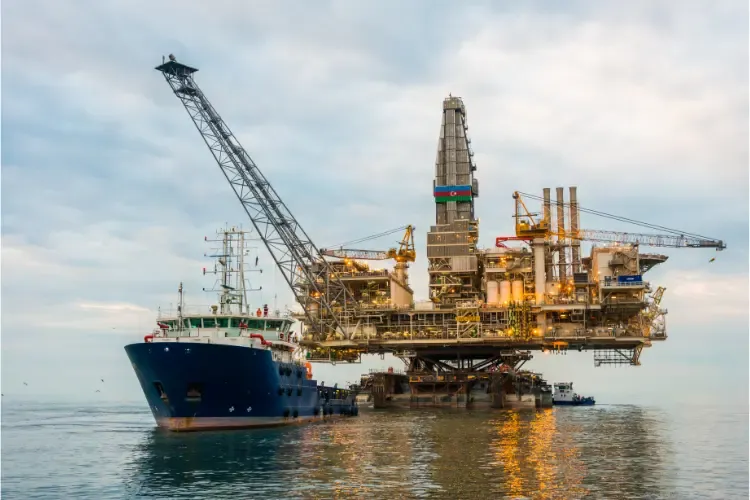
Legal Protections Under the OCSLA
The Outer Continental Shelf Lands Act (OCSLA) extends federal protections to workers on the outer continental shelf. It covers injuries and deaths, and it often folds in the benefits of the Longshore and Harbor Workers’ Compensation Act (LHWCA). We handle OCSLA claims regularly and make sure you receive the full benefits and protections the law provides.
That folding-in is written into the statute rather than left to argument. 43 U.S.C. §1333(b) says compensation “shall be payable under the provisions of the Longshore and Harbor Workers’ Compensation Act” for a disability or death from operations on the outer continental shelf involving exploration, development, removal or pipeline transportation of natural resources. Section 1333(a)(1) reaches the seabed itself and the artificial islands and fixed structures attached to it, treating them as if they sat inside a state under exclusive federal jurisdiction. So a fixed platform is federal ground, and a state workers’ compensation form is usually the wrong paperwork.
Which law covers you turns on the structure you were standing on. Crew on a drillship, a semi-submersible, a jack-up under tow or a supply boat are generally seamen, and their route is the Jones Act with a jury. Workers on a fixed platform bolted to the seabed generally are not seamen, and their route is OCSLA and the Longshore Act. People search for an offshore accident lawyer, an offshore accident attorney and an oil rig accident lawyer meaning the same job, but the answer for your case depends on that one fact. Write down what you were standing on before you call anyone.
- Workers’ Compensation: Under the OCSLA, injured workers are entitled to medical care, rehabilitation, and compensation for lost wages. We guide you through the claims process to ensure you receive all entitled benefits.
- Employer Liability: Employers are responsible for maintaining safe working conditions. We hold negligent employers accountable and seek compensation for your suffering.
- Navigating Complex Claims: OCSLA claims can be intricate and challenging. Our team has the expertise to navigate these complexities, providing you with clear and effective legal representation.
Why Choose Our Oil Rig Accident Lawyers
The lawyer you choose can change the outcome of your case. At Templer & Hirsch, offshore injury work is a focus we have built over decades, not an afterthought. Here is what sets us apart:
- 35 Years of Results: We have represented injured offshore workers for more than 35 years and recovered over $100 million for our clients.
- You Deal With the Attorney: From your first call to the final resolution, you work directly with an attorney, not a case manager, and we keep you in the loop at every step.
- Ready to Go to Trial: We work on contingency, so there is no fee unless we win, and insurers know we will take your case to trial when that is what it takes.
If that is the kind of team you want on your side, call us for a free consultation and we will tell you honestly where you stand.
Offshore Oil Rig Injury Law: What Workers and Families Should Know
Offshore rig injuries sit at the intersection of three federal frameworks: the Outer Continental Shelf Lands Act (OCSLA), the Jones Act, and General Maritime Law. Which one applies to your case depends on the rig you work on, and it dramatically affects your recovery.
People searching for an offshore oil rig injury lawyer usually have one of two very different cases, and nobody tells them which. If you worked on a fixed platform bolted to the seabed, OCSLA sends you into the federal Longshore system. If your rig floated, you may be a seaman with a Jones Act claim and a right to a jury. An offshore platform injury lawyer and a fixed platform injury lawyer are doing the same job under different statutes, so the first call should establish what you stood on.
OCSLA and Fixed Platforms
The Outer Continental Shelf Lands Act (43 U.S.C. §1331) extends federal jurisdiction over fixed platforms attached to the seabed in the OCS. OCSLA incorporates the LHWCA, so workers on fixed platforms typically receive LHWCA benefits with the option to bring third-party claims under 33 U.S.C. §905(b).
The Jones Act and Movable Rigs
Workers permanently assigned to vessels in navigation (drillships, jack-up rigs, semi-submersibles, and supply vessels) usually qualify as seamen under the Jones Act (46 U.S.C. §30104). Jones Act claims allow recovery for full personal injury damages including pain and suffering, plus general maritime claims for unseaworthiness and maintenance and cure. Three-year statute of limitations.
Why the Seaman vs. Worker Distinction Matters
LHWCA caps benefits at federal weekly maximums and limits non-economic recovery. Jones Act recoveries can be many times larger. Determining whether you’re a seaman is fact-intensive: how much time you spent on the vessel, your job duties, and the vessel’s navigation status. Insurers often misclassify injured workers to limit liability; we push back hard.
Death on the High Seas Act
DOHSA (46 U.S.C. §30301) governs wrongful death claims for fatalities more than three nautical miles offshore, including most rig deaths. DOHSA limits non-economic damages and has specific procedural requirements that catch unrepresented families off guard.
Third-Party Claims
Beyond claims against your employer, oil rig injuries often involve potential claims against drilling contractors, equipment manufacturers, service companies, and platform owners. Identifying every responsible party is critical to maximize recovery.
Common Oil Rig Injuries
Offshore drilling is among the most dangerous work in the country. As offshore oil rig accident lawyers we have represented rig workers, platform crews and their families in cases involving:
- Falls from height: derricks, walkways, ladders, and helideck transitions.
- Explosions and fires: well blowouts, gas releases, drilling-fluid ignitions.
- Crushing injuries from drilling equipment, pipe handling, and crane operations.
- Helicopter crashes during crew transport to and from the rig.
- Slip-and-fall on slick decks from drilling mud, oil, and water.
- Equipment and rigging failures: broken cables, failed hoists, defective machinery.
- Hypothermia and drowning during evacuations and man-overboard incidents.
- Toxic and chemical exposure: H2S, drilling fluids, fuels, solvents.
- Hearing loss and respiratory disease from prolonged exposure to noise and dust.
Each scenario has distinct evidence trails: rig logs, well records, equipment maintenance records, witness statements, and regulatory inspection reports. We know how to lock them down before they go missing.
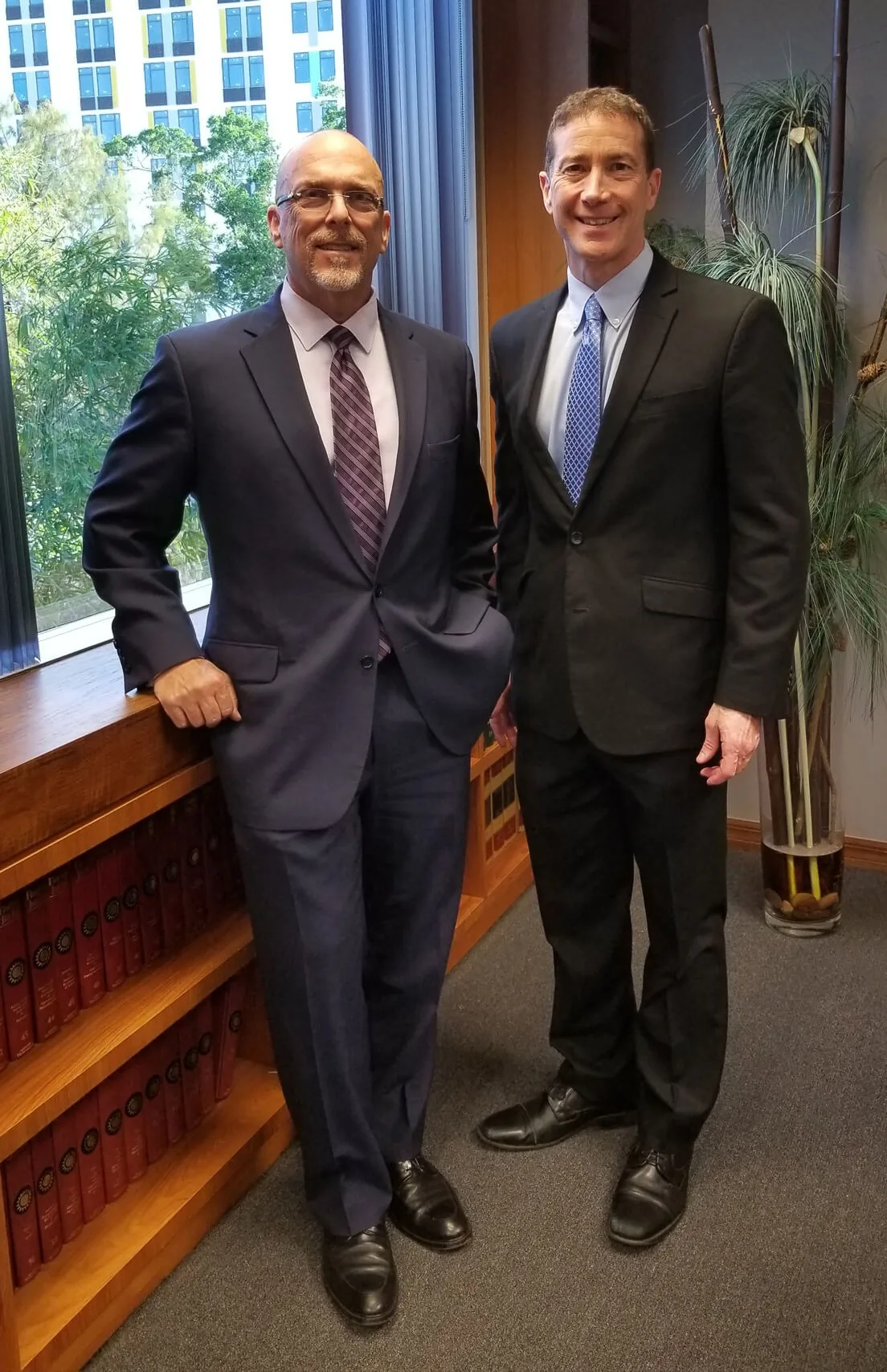
Meet the Attorneys Who Will Handle Your Case
Templer & Hirsch has represented injured offshore workers and families for over 35 years and recovered more than $100 million for clients. When you call, you talk to an attorney, not a case manager.
- David L. Templer: Founding partner with decades of trial experience handling Jones Act, LHWCA, OCSLA, and admiralty cases.
- Mark Hirsch: Partner concentrating on offshore, longshore, and serious injury claims; known for hands-on client communication.
Frequently Asked Questions
What law applies to oil rig injuries on the OCS?
Outer Continental Shelf Lands Act (43 U.S.C. §1331) extends LHWCA to fixed platforms. Workers on movable drilling vessels usually qualify as seamen under the Jones Act.
Am I a Jones Act seaman or an LHWCA worker?
Depends on the rig. Permanent assignment to vessels in navigation (drillships, jack-ups, semi-submersibles, supply boats) usually means seaman status. Fixed-platform workers fall under LHWCA via OCSLA. The distinction matters: Jones Act recoveries are typically much larger.
What is the statute of limitations?
Jones Act and most General Maritime Law claims: three years. LHWCA: one year (with 30-day notice). Move quickly.
Can I sue the rig owner or operator?
Yes in many cases. Seamen sue under Jones Act and unseaworthiness. LHWCA workers may pursue third-party claims under §905(b) and other theories against platform owners, drilling contractors, and equipment makers.
What if my loved one was killed on an oil rig?
The Death on the High Seas Act (46 U.S.C. §30301) governs most offshore rig fatalities. Jones Act survival claims may also apply for seamen. Both have short deadlines.
What injuries are common on offshore rigs?
Falls, explosions and fires, crushing injuries, helicopter crashes, slip-and-fall, equipment failures, hypothermia, toxic exposure, and hearing/respiratory disease.
If you or a loved one has been injured, the most important step you can take is to speak with an experienced attorney as soon as possible. Call Templer & Hirsch today for a free, confidential consultation. We are ready to help.