Pool, Hot Tub and Drowning Claims
Stairs, Balconies and Railings
Inadequate Security and Assaults
Bed Bugs, Carbon Monoxide, Mold and Defective Fixtures
Who Pays, and How the Policies Stack
What To Do Before You Check Out
Who Is Liable for an Injury in a Florida Vacation Rental?
A short-term rental is not a private home for legal purposes. Florida classifies a vacation rental as a transient public lodging establishment: "any unit or group of units in a condominium or cooperative or any individually or collectively owned single-family, two-family, three-family, or four-family house or dwelling unit that is also a transient public lodging establishment but that is not a timeshare project" (Fla. Stat. § 509.242(1)(c)). A paying guest is a business invitee, and the owner owes the highest duty Florida premises law recognizes: keep the property reasonably safe, and warn about dangers the guest would not discover on their own.
Insurance that can pay for a guest's injury
Policies that may apply to one injury, largest first
Airbnb states that Host liability insurance under AirCover for Hosts provides up to $1 million per occurrence for bodily injury to a guest or others, and that it does not cover intentional acts. Coverage terms change, so the policy in force on the date of your stay is what governs.
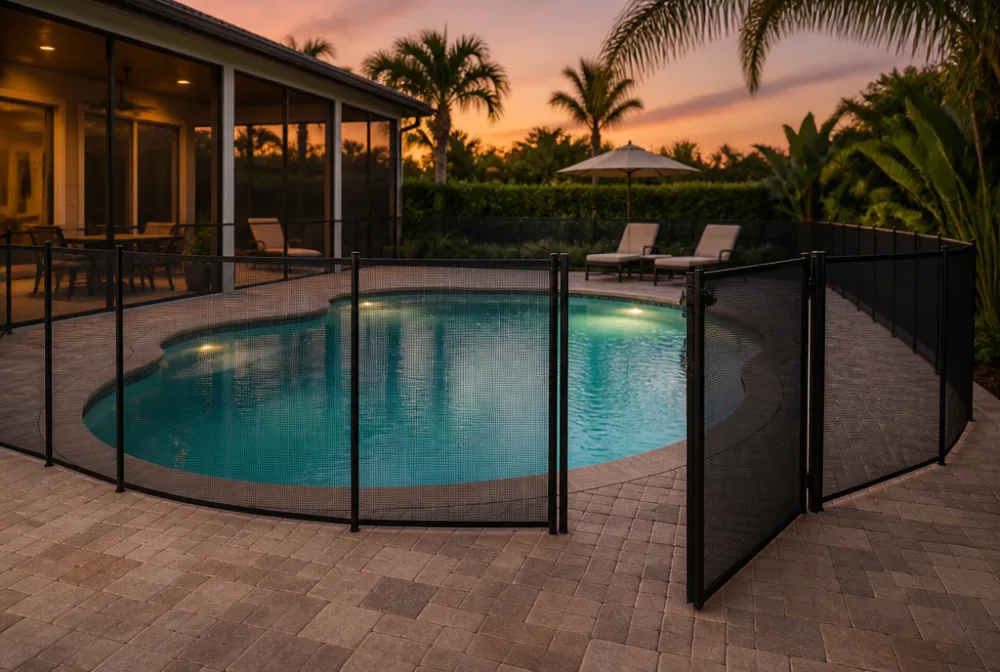
Pools are the most common serious claim. Florida's Residential Swimming Pool Safety Act requires a barrier at least four feet high on the outside, with no gaps, openings or footholds a young child could crawl under, squeeze through or climb over, and gates that open outward, self-close and self-latch with the release on the pool side and out of a child's reach (Fla. Stat. § 515.29). A rental advertising a private pool that does not meet those requirements is a documented safety failure before anyone argues about notice.
Where We Handle Florida Airbnb & Vacation Rental Injury Cases
We represent guests injured in short-term rentals throughout Florida, including:
The Attorneys Who Handle These Cases
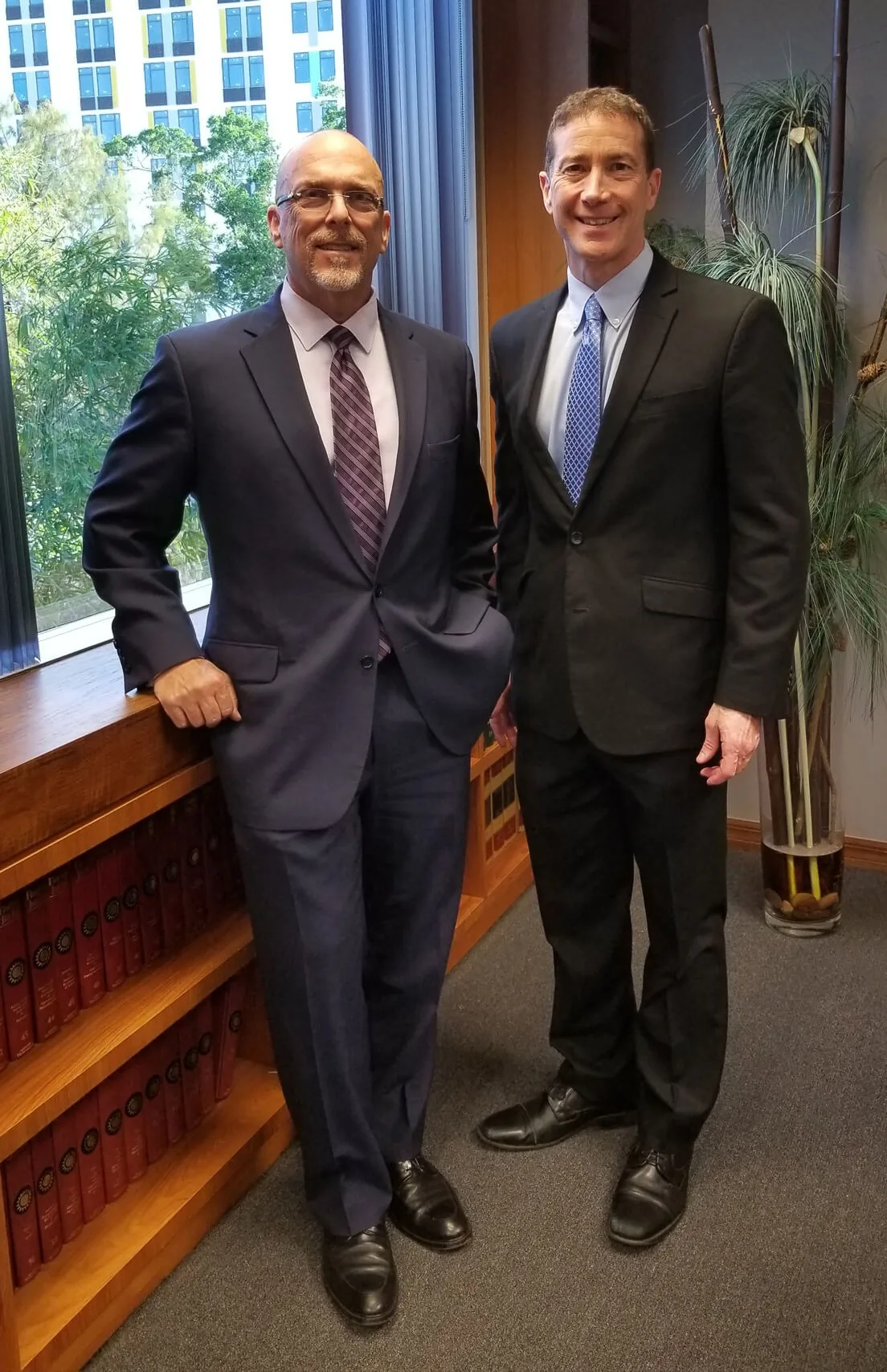
David L. Templer and Mark Hirsch have practiced from the same Aventura office for more than 35 years and have recovered over $100 million for injured people. You speak with an attorney, not a case manager, and the attorney you speak with is the attorney who handles your file.
Consultations are free and there is no fee unless we recover money for you. Call 305-937-2700 or send us the details.
Frequently Asked Questions
Can I sue Airbnb or Vrbo directly for an injury?
Usually the claim runs against the host and the property owner rather than the platform, because the platform's position is that it does not own or control the property. What the platform does provide is coverage: Airbnb states that Host liability insurance under AirCover for Hosts pays up to $1 million per occurrence for bodily injury to a guest. In practice, that policy is often the fund your claim is paid from even though the host is the named defendant.
The host asked me to sign a waiver or a house agreement. Does it block my claim?
Not automatically. Florida courts read exculpatory clauses narrowly, and a general waiver does not reliably excuse a host's own negligence, particularly where a statute like the pool safety act sets the standard. Keep whatever you signed and bring it to the consultation instead of assuming the claim is over.
My child was hurt at a rental with a pool. What matters most?
Whether the pool met Florida's barrier requirements: a barrier at least four feet high on the outside, no gaps or footholds, and gates that open outward and are self-closing and self-latching with the release on the pool side out of a child's reach (Fla. Stat. § 515.29). Photograph the pool, the barrier, the gate and the latch before you leave, along with the listing photos and description that advertised it.
What is the host actually required to do?
A paying guest at a Florida vacation rental is a business invitee, so the owner must keep the property in a reasonably safe condition, inspect for dangers, correct them, and warn about hazards that are not obvious. That covers stairs and railings, balcony rails, lighting, locks and security, pool and hot tub condition, and known defects the host did not disclose.
I was injured in the building's gym, garage or hallway, not inside the unit.
Then the condominium association or its management company is likely responsible for that area rather than the host, and a separate policy applies. These claims frequently involve two or three insurers pointing at each other, which is exactly the situation where getting a lawyer involved early prevents the claim from stalling.
I live out of state and I have already flown home. Can I still bring a claim?
Yes. Florida law applies to the injury and we represent out-of-state and international clients routinely, handling everything remotely. Send us the listing, your reservation record, your photographs and your medical records. The two-year deadline under Fla. Stat. § 95.11 runs whether or not you are still in Florida.
Sources & further reading (verify before relying on them)
- Fla. Stat. § 509.242. Public lodging establishments; classifications (vacation rental)
- Fla. Stat. § 515.29. Residential swimming pool barrier requirements
- Fla. Stat. § 768.0755. Premises liability for transitory foreign substances
- Airbnb: Host liability insurance (AirCover for Hosts)
- Fla. Stat. § 95.11. Limitations of actions
This page is general information, not legal advice. Laws change; confirm the current statute and speak with an attorney about your situation.