The Injury Threshold: When You Can Sue for Pain and Suffering
Evidence That Disappears in the First Two Weeks
What a Car Accident Claim Is Actually Worth
The Two Rules That Decide Most Florida Car Accident Claims
Two provisions of Florida law do more to determine the value of a car accident claim than almost anything else: the no-fault PIP system and the modified comparative negligence standard adopted in 2023.
Those two rules are also why the settlement averages published online rarely describe a Florida claim. We work through that in what actually decides a back and neck injury settlement.
How much of your medical bills your own PIP pays
Florida no-fault benefits, per person, for one crash
Under Fla. Stat. § 627.736 you must seek initial care within 14 days of the crash or PIP can be denied outright. Serious injuries exhaust $10,000 quickly, which is when the liability claim matters.
Florida does not require drivers to carry bodily injury liability coverage. The state minimum is $10,000 PIP and $10,000 property damage, which means the driver who hurt you may have no coverage at all for your injuries. In those cases your own uninsured and underinsured motorist coverage often becomes the primary source of recovery, and reading your policy is one of the first things we do. For crashes involving commercial vehicles, see our truck accident page, and for rideshare collisions see Uber and Lyft accidents.
Where We Handle Florida Car Accident Cases
We handle car accident claims across Florida, including these communities:
The Attorneys Who Handle These Cases
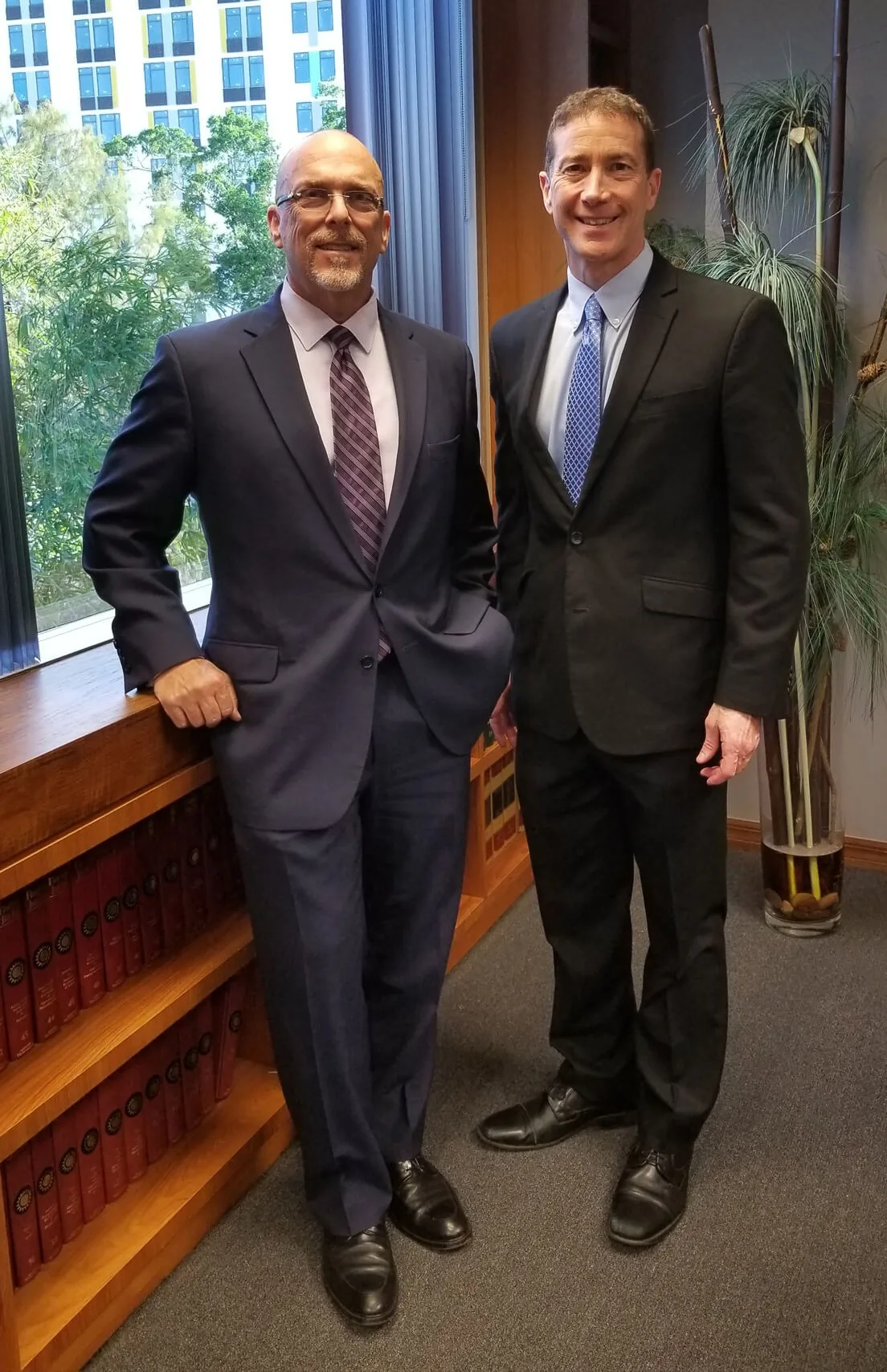
David L. Templer and Mark Hirsch have practiced from the same Aventura office for more than 35 years and have recovered over $100 million for injured people. You speak with an attorney, not a case manager, and the attorney you speak with is the attorney who handles your file.
Consultations are free and there is no fee unless we recover money for you. Call 305-937-2700 or send us the details.
Frequently Asked Questions
Do I have a case if the crash was partly my fault?
Yes, provided you are found 50 percent or less at fault. Florida applies modified comparative negligence under Florida Statutes section 768.81: your damages are reduced by your percentage of fault, and you recover nothing if you are found more than 50 percent responsible. This is why insurers work hard to shift blame, and why independent evidence matters.
The other driver had no insurance. Do I have any recovery?
Often yes, through your own uninsured or underinsured motorist coverage. Florida does not require drivers to carry bodily injury liability coverage at all, so this situation is common. Uninsured motorist (UM) coverage under your own policy, or under the policy of a resident relative, may respond. We review every policy in the household as a matter of course.
How long do I have to file a Florida car accident lawsuit?
Generally two years from the date of the crash for negligence claims arising on or after March 24, 2023, under Florida Statutes section 95.11. Claims against a government entity carry separate written notice requirements and should be addressed immediately.
Should I accept the insurance company's first offer?
Not before you know whether your injury is permanent. Early offers are typically made before treatment is complete and before any permanency opinion exists, which is precisely when a claim is easiest to undervalue. Once you sign a release, the claim is over regardless of what happens medically afterward.
Why Choose Templer & Hirsch?
- 35+ years handling Florida injury claims
- More than $100 million recovered for clients
- Contingency fee: no attorney's fee unless we recover
- Free consultation with no obligation
Sources & further reading (verify before relying on them)
- Fla. Stat. § 627.736 (Personal Injury Protection)
- Fla. Stat. § 627.737 (Tort exemption and injury threshold)
- Fla. Stat. § 768.81 (Comparative fault)
- Florida Highway Safety and Motor Vehicles: Crash Dashboard
This page is general information, not legal advice. Laws change; confirm the current statute and speak with an attorney about your situation.