The Notice Rule Is the Whole Case
Proving a hazard existed and that it caused your fall is necessary but not sufficient. Under section 768.0755, for a fall on a transitory foreign substance in a business establishment you must also prove the business had actual or constructive knowledge of it. Constructive knowledge is established by showing the condition existed long enough that a reasonable business would have discovered it, or that it occurred with such regularity that it was foreseeable. The proofs are inspection and sweep logs, surveillance timestamps, employee statements and prior incident history at the same location. All of it is in the property owner's hands. Nothing obligates them to keep it once a claim goes quiet.
Hotels, Resorts and Cruise Passengers
Fort Lauderdale's beachfront hotels, resorts and the enormous cruise traffic through Port Everglades generate a category of premises claim with extra layers. Ownership, management, maintenance and food service are frequently separate companies with separate policies, and each will point at the others. Cruise passengers face something more dangerous: passage contracts routinely impose a shortened notice period, a one-year suit deadline instead of Florida's four for premises claims, and a forum selection clause requiring suit in a specific federal court. Those provisions are regularly enforced. A cruise-related fall should be reviewed immediately rather than treated as an ordinary Florida premises case.
Falls the Notice Rule Does Not Govern
Section 768.0755 covers transitory foreign substances. It does not cover everything. Structural and design defects such as broken stair treads, missing or non-compliant handrails, uneven walkway transitions, inadequate lighting in garages and stairwells, and negligent security follow ordinary premises liability principles instead, and those claims do not carry the same notice burden. Falls in condominium common elements route through the association and its governing documents. Falls on City of Fort Lauderdale or Broward County property trigger the sovereign immunity statute, which imposes written pre-suit notice requirements and caps damages. Determining the correct category changes what you have to prove.
Why These Injuries Are Undervalued Early
Fall injuries are dismissed at the scene far more often than they should be. Hip and wrist fractures, rotator cuff tears, herniated discs and traumatic brain injuries are all routine outcomes, and several present with delayed symptoms. Where the claimant is older, insurers argue that imaging shows pre-existing degeneration rather than trauma. Florida law is clear that aggravation of a pre-existing condition is compensable, but proving it takes prior records, treating physician testimony and often a retained expert. Suit is filed in the Seventeenth Judicial Circuit at the Broward County Courthouse, 201 SE 6th Street.
Fort Lauderdale Slip and Fall: What to Do
- Report the fall to a manager before you leave and insist an incident report is created
- Photograph the hazard, the wider area, any warning signs and the shoes you were wearing
- Ask for the names of employees present and get contact details for any witnesses
- Seek medical evaluation the same day even if you believe you are fine
- Contact a lawyer within days, surveillance video is the case and it does not last
Fort Lauderdale Slip and Fall: Common Questions
- How quickly does store surveillance video get deleted?
- Often within days, and many systems overwrite on a fixed cycle automatically. A business has no obligation to preserve footage until it is on notice of a claim. This is why a written preservation demand sent immediately is the highest-value step in almost every fall case, and why waiting weeks to call a lawyer can quietly destroy a provable claim.
- I fell on a cruise ship or at the cruise terminal. Is that different?
- Significantly. Cruise passage contracts commonly require written notice of a claim within six months, require suit within one year rather than Florida's longer premises deadline, and specify the federal court where suit must be filed. Courts enforce these provisions regularly. A cruise-related injury needs review right away, not after treatment concludes.
- There was a wet floor sign out. Does that defeat my claim?
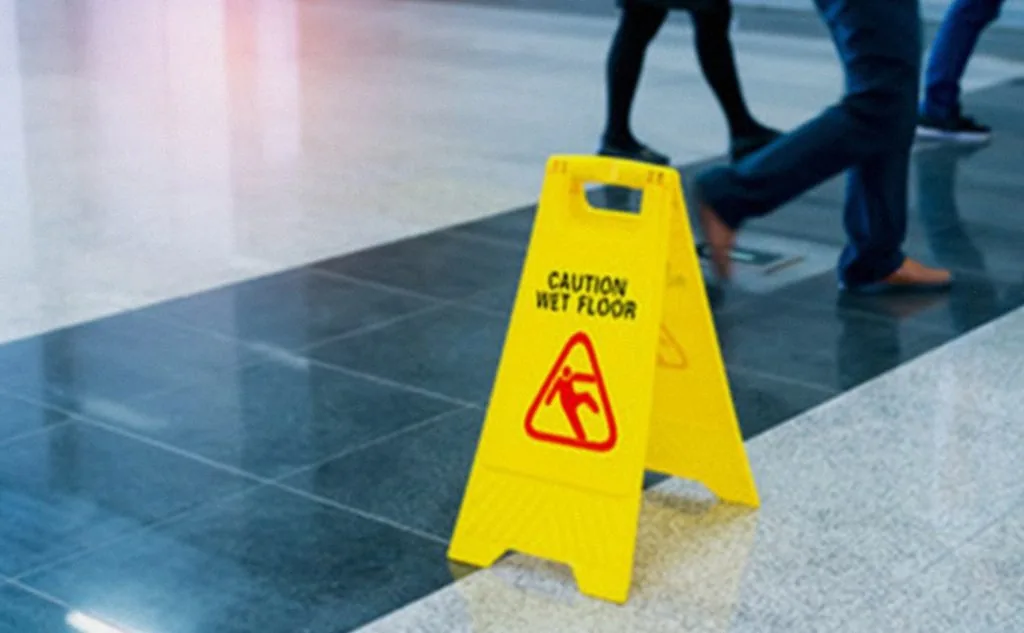
- Not automatically. A warning is evidence, not immunity. Whether it was adequate, whether it was positioned where you would actually see it before encountering the hazard, when it was placed relative to your fall, and whether the hazard should have been cleaned rather than merely flagged are all contested questions that surveillance footage frequently resolves.
- I tripped on a public sidewalk in Fort Lauderdale. Can I claim against the city?
- Possibly, but government claims follow different rules. Florida Statutes section 768.28 requires written pre-suit notice to the agency and to the Department of Financial Services, imposes a waiting period before suit, and caps damages recoverable against the entity. Responsibility may also rest with an adjacent property owner or a contractor. Because of the notice requirement these need prompt attention.