What dangers do oil rig workers face every day? Six of them cause most serious rig injuries: fires and explosions, slips and falls on wet steel, machinery that crushes and catches, objects dropped from cranes and derricks, fatigue from very long shifts, and toxic chemicals such as hydrogen sulfide gas. If one of them hurts you, report it that day, get seen by a doctor, photograph what caused it, and sign nothing until a lawyer reads it. Offshore injuries are usually handled under federal maritime law rather than state workers’ compensation.
Which law pays depends on whether the rig floats or sits on the seabed, which our oil rig and offshore accident lawyers page explains in full.
I am Mark Hirsch. I represent oil rig and continental shelf workers hurt offshore in the Gulf and beyond. The pattern I see over and over is a worker who finished the shift, told the medic days later, and now faces a carrier saying the injury happened at home. By the end you will know the six hazards that send crews to the hospital, what to do in the hours right after you are hurt, why a fast settlement offer is a warning sign, and which law may cover an offshore claim.
Key takeaways
- Rigs hold pressurized gas and fuel. A bad valve or a skipped maintenance item is how a fire starts.
- Greasy decks, dark walkways, and missing rails turn routine steps into back, neck, and head injuries.
- Cranes, drill parts, and hydraulic lifts cause crush and caught-in injuries when they are run wrong or left unmaintained.
- Anything dropped from above is a head injury waiting to happen. A hard hat is one layer of defense, not a plan.
- Shifts of 12 to 16 hours for weeks at a stretch slow reaction time and raise the odds of getting hurt.
- Chemical exposure shows up late. Hydrogen sulfide, drilling mud, and asbestos in old rig parts cause illnesses that get misdiagnosed.
1. Explosions and Fires
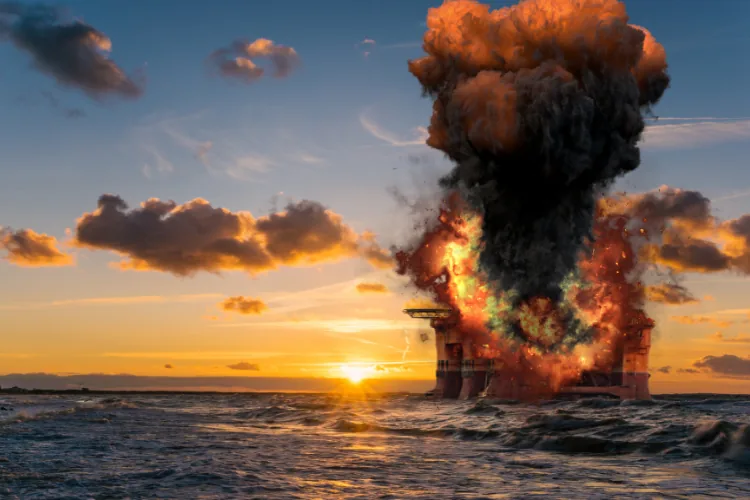
Oil rigs are essentially floating factories packed with pressurized gases, volatile fuels, and high-powered machinery. This environment can be a powder keg under the right (or wrong) conditions.
Common causes of rig explosions include:
- Faulty valves or blowout preventers
- Improper maintenance of flammable gas systems
- Equipment failure under pressure
- Human error or poor safety training
Explosions can lead to catastrophic injuries like:
- Severe burns
- Crush injuries
- Traumatic brain injury
- Death
If you were injured due to an oil rig explosion, it’s critical to act quickly. Your case may involve multiple liable parties: from rig operators to third-party contractors. Templer & Hirsch’s team can investigate and help secure full compensation.
2. Slips, Trips, and Falls
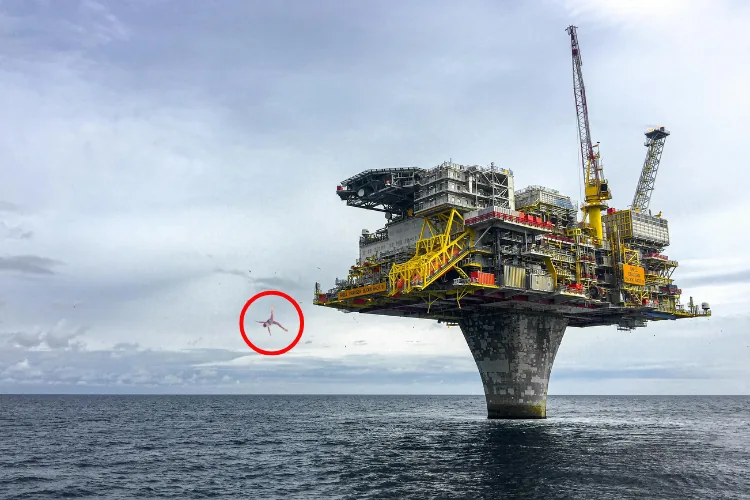
Oil rigs are covered with slick surfaces, steel staircases, and narrow walkways. Slip-and-fall accidents are a daily risk, especially during poor weather conditions or night shifts.
Slip hazards include:
- Grease or oil on decks
- Improperly stored equipment
- Worn or missing safety railings
- Inadequate lighting in walkways
Even minor falls can cause:
- Broken bones
- Dislocated shoulders
- Back and spinal cord injuries
- Concussions
It’s important to report these injuries immediately and document the conditions that caused them. That evidence can be essential for any legal claim under the Jones Act or Outer Continental Shelf Lands Act (OCSLA).
3. Equipment-Related Injuries
Oil rigs operate using industrial-scale machinery like cranes, drill bits, pipes, and winches. When these machines malfunction or are improperly operated, the consequences are severe.
Examples of equipment accidents include:
- Crushed limbs from hydraulic lifts
- Caught-in or struck-by injuries from spinning drill parts
- Electrical burns from faulty wiring
- Eye injuries from debris or chemical splashes
Rig owners are legally required to maintain all equipment to specific safety standards. If they fail to do so, you may be eligible for compensation beyond typical workers’ comp through maritime injury law.
Learn more about how our oil rig injury lawyers can help you pursue these complex cases.
4. Falling Objects
The rig’s upper decks, derricks, and cranes are constantly in motion. Loose tools, unsecured piping, or swinging machinery pose a serious danger to workers below.
Falling object injuries may result in:
- Skull fractures
- Neck and back trauma
- Brain damage
- Internal bleeding
Wearing a hard hat is only one line of defense. Supervisors are responsible for enforcing strict procedures for securing equipment and ensuring crane loads are properly rigged. If they don’t, they may be liable under negligence or safety violations.
5. Fatigue and Mental Strain
Oil rig shifts are grueling. Workers often pull 12 to 16-hour days for weeks at a time, often in isolated offshore locations far from home. Fatigue can lead to serious mistakes that affect not only the tired worker, but everyone around them.
Mental and physical fatigue can cause:
- Lapses in judgment
- Poor coordination
- Delayed reaction times
- Increased likelihood of injury
Employers are required to provide adequate rest, breaks, and off-shift time. If you were injured while overworked or pressured into unsafe conditions, Templer & Hirsch can evaluate whether your rights were violated.
6. Exposure to Toxic Substances
Oil rigs may involve contact with harmful chemicals, including:
- Drilling muds
- Hydrogen sulfide gas
- Asbestos in old rig parts
- Corrosive cleaning agents
Health effects from exposure can include:
- Respiratory issues
- Chemical burns
- Nerve damage
- Long-term illnesses like cancer
In many cases, symptoms develop slowly and are misdiagnosed. If you suspect toxic exposure, seek medical attention immediately and keep detailed records of your work environment.
What to Do If You’re Hurt on an Oil Rig
If you’re injured on an oil rig, it’s important to act quickly and follow these steps:
1. Report the Injury Immediately
Notify your supervisor or rig manager. Failing to report the injury could jeopardize your claim.
2. Seek Medical Attention
Even minor injuries can become serious. Request evacuation to shore if needed and ask for a full medical report.
3. Document Everything
Take photos, gather witness names, and record equipment conditions. These details can become powerful evidence.
4. Don’t Sign Anything Without Legal Review
Company insurance reps may offer a quick settlement. Don’t accept anything until you speak to a lawyer.
5. Contact an Experienced Oil Rig Injury Lawyer
Laws like the Jones Act or OCSLA are complex. You need a legal team that knows how to navigate maritime law and offshore claims.
We Fight for Injured Oil Rig Workers
At Templer & Hirsch, we understand the risks oil rig workers face every day. If you’ve been injured offshore, whether in the Gulf of Mexico or elsewhere on the continental shelf, our attorneys are ready to help you protect your rights and secure the compensation the law allows.
Our team handles:
- Oil rig explosion claims
- Maritime injury lawsuits
- OCSLA and Jones Act litigation
- Claims for long-term illness due to toxic exposure
You don’t have to face your employer’s legal team alone. Let us stand by your side.
Schedule a free consultation today to discuss your case.
Related Resources:
- Oil Rig & Continental Shelf Injury Lawyers
- Templer & Hirsch, Personal Injury Law Firm
- Contact Us Today
This is general information, not legal advice; consult an attorney about your situation.